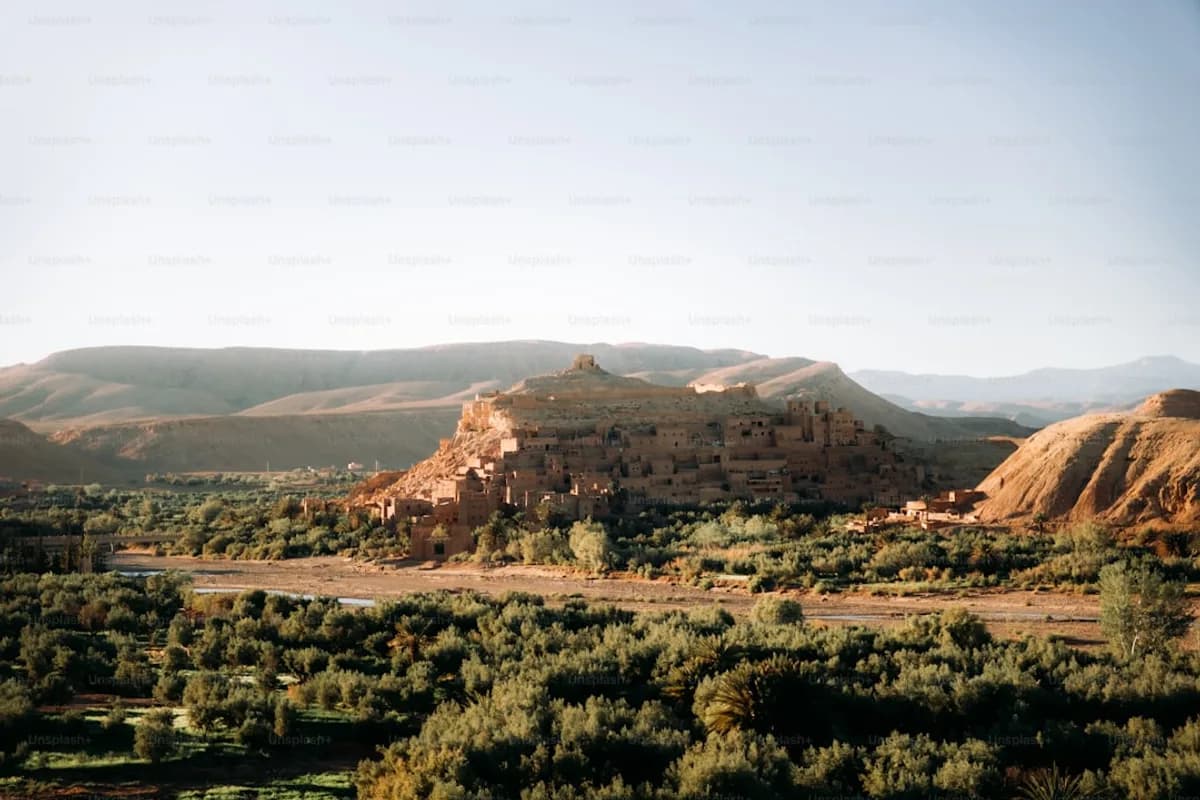
Best Time to Visit Morocco: A Month-by-Month Seasonal Guide
Best Time to Visit Morocco: A Month-by-Month Seasonal Guide
Morocco is a year-round destination, but choosing the right month can make the difference between a comfortable trip and an uncomfortable one. The country spans desert, mountains, and coastline, so the "best time" depends entirely on where you plan to go and what you want to do.
Quick Summary
| Region | Best Months | Avoid |
|---|---|---|
| Marrakech & Imperial Cities | March-May, Sept-Nov | July-August (extreme heat) |
| Sahara Desert | Oct-April | June-August (dangerously hot) |
| Atlas Mountains (trekking) | April-June, Sept-Oct | December-February (snow, cold) |
| Atlantic Coast | April-October | December-February (rain, wind) |
| Northern Morocco | April-June, Sept-Oct | Peak summer (crowded) |
Overall best months: April-May and October-November offer the widest range of comfortable conditions across all regions.
Month-by-Month Breakdown
January
Weather: Cool to cold. Marrakech daytime highs around 18 degrees Celsius, dropping to 5-6 degrees at night. Fes can be cold and damp (8-15 degrees). Snow on the Atlas Mountains; skiing at Oukaimeden and Ifrane. Desert days are mild (15-20 degrees) but nights are cold (near freezing).
Pros: Fewest tourists. Lowest prices on accommodation. Snow-capped Atlas Mountains make a stunning backdrop. Good time for the Sahara during daytime.
Cons: Cold evenings, especially in riads without heating. Some mountain passes may be closed by snow. Shorter daylight hours.
Best for: Budget travelers. Sahara trips (daytime). Photography (clear skies, snow on mountains).
February
Weather: Similar to January but gradually warming. Almond blossoms appear in the Tafraout region of the Anti-Atlas, creating a spectacular pink-and-white landscape.
Pros: Almond blossom season (mid-February). Still low season for pricing. Gradually warming temperatures.
Cons: Still cold in evenings. Some rain possible in northern Morocco.
Best for: Almond blossom photography (Tafraout, Anti-Atlas). Budget travelers.
March
Weather: Spring arrives. Marrakech reaches 22-25 degrees Celsius. The countryside turns green. Occasional rain in the north.
Pros: Comfortable temperatures across the country. Gardens blooming. Reasonable prices before peak season. Good for all regions.
Cons: Can be rainy in the north and mountains. Some wind on the coast.
Best for: All-around travel. Combined city and mountain trips. The start of hiking season.
April
Weather: Warm and pleasant. Marrakech 25-28 degrees, coastal cities 18-22 degrees. Wildflowers in the Atlas Mountains. Longer days.
Pros: Excellent weather everywhere. Wildflowers in mountains. Easter week is lively. Great for trekking.
Cons: Easter and spring break increase tourist numbers. Prices begin rising for peak season.
Best for: Trekking the Atlas Mountains. Multi-region trips. Surf season on the coast.
May
Weather: Warm to hot. Marrakech 28-32 degrees. Coast remains pleasant at 20-24 degrees. Desert starting to get hot.
Pros: Still comfortable in most regions. Fewer tourists than peak autumn. Good beach weather begins. Long, warm evenings.
Cons: Getting hot in Marrakech and Fes for midday sightseeing. Desert becoming uncomfortable.
Best for: Atlantic coast. Northern Morocco. Final comfortable month for imperial cities before summer heat.
June
Weather: Hot inland. Marrakech 33-38 degrees. Fes similar. Coast remains manageable at 22-26 degrees. Desert too hot. Essaouira Gnaoua and World Music Festival.
Pros: Peak wind season for Essaouira (ideal for water sports). Gnaoua Festival. Long daylight hours. Beach season.
Cons: Imperial cities are uncomfortably hot during midday. Desert is dangerous. Rising tourist numbers.
Best for: Essaouira and coast. Gnaoua Festival. Water sports.
July
Weather: Peak summer heat. Marrakech regularly exceeds 40 degrees. Fes 36-40 degrees. Coast comfortable at 24-28 degrees. Desert extreme.
Pros: Great beach weather. Coastal cities are refreshingly cool compared to inland. Lower hotel prices in imperial cities (too hot for most tourists).
Cons: Extreme heat in Marrakech, Fes, and desert. Only manageable if you limit daytime activity to early morning and evening. High tourist numbers on the coast.
Best for: Coastal holidays only. Not recommended for inland sightseeing or desert.
August
Weather: Similar to July. Hottest month in many areas. Marrakech 40+ degrees. Moroccan diaspora returns from Europe, making it the busiest travel month for Moroccans.
Pros: Coast still pleasant. Vibrant atmosphere as Moroccan families vacation.
Cons: Hottest month. Imperial cities and desert are extremely uncomfortable. Overcrowded beaches. Fully booked accommodation in coastal towns.
Best for: Avoid if possible. If you must travel in August, stick to the coast and book well in advance.
September
Weather: Heat begins to ease. Marrakech 30-35 degrees. Coast 22-26 degrees. Desert becoming viable again.
Pros: Shoulder season pricing begins. Fewer tourists than July-August. Desert trips become possible again. Swimming weather on the coast.
Cons: Still hot in the first half of September for inland cities. Occasional late-summer storms.
Best for: Transition month. Good for coast and northern Morocco. Desert from late September onward.
October
Weather: One of the best months. Marrakech 25-30 degrees. Fes 22-27 degrees. Desert comfortable. Atlas Mountains ideal.
Pros: Excellent weather everywhere. Perfect for the Sahara. Date harvest in the Draa Valley. Great trekking conditions. Moderate tourist numbers.
Cons: Increasingly popular — accommodation in Marrakech and desert camps should be booked in advance.
Best for: Everything. Desert trips. Multi-region travel. October is arguably the single best month to visit Morocco.
November
Weather: Pleasantly cool. Marrakech 20-25 degrees. Coastal areas 17-21 degrees. First rain possible. Desert still comfortable.
Pros: Comfortable temperatures for sightseeing. Falling tourist numbers. Still viable for desert trips. Olive and pomegranate harvest season.
Cons: Shorter days. Rain possible in the north. Getting cool for evenings.
Best for: Imperial cities. Desert (first half). Olive oil and harvest experiences.
December
Weather: Cool. Marrakech 15-20 degrees daytime, 5-8 degrees at night. Fes 10-16 degrees. Mountain snow. Desert cold at night.
Pros: Festive atmosphere. New Year in Marrakech or Fes is atmospheric. Snow on Atlas Mountains. Low-season prices.
Cons: Cold evenings, especially in riads without heating. Rain in the north. Short days.
Best for: City breaks with layers. Budget travelers. Christmas and New Year atmosphere.
Major Festivals and Events
- Gnaoua World Music Festival (Essaouira): June. Hundreds of thousands of visitors. Book months in advance.
- Mawazine Festival (Rabat): June. One of the world's largest music festivals.
- Rose Festival (Kelaat M'Gouna): May. The Dades Valley celebrates the rose harvest.
- Fes Festival of World Sacred Music: June. A renowned spiritual music festival.
- Marrakech International Film Festival: November-December.
- Ramadan: Dates shift annually (based on the Islamic lunar calendar). A unique cultural experience but some restaurants close during daylight hours. Evenings are festive with elaborate ftour (fast-breaking) meals.
FAQ
What is the cheapest time to visit Morocco?
January and February offer the lowest prices, with November-December also being affordable (excluding Christmas-New Year week). Summer is cheap in inland cities (too hot for most tourists) but expensive on the coast.
Can I visit the Sahara year-round?
No. Summer (June-August) desert temperatures regularly exceed 45 degrees Celsius and can be dangerous. October through April is the viable desert season, with October-November and March-April being ideal.
What should I pack for temperature swings?
Layers are essential. Even in warm months, evenings can be cool (especially at altitude and in the desert). A light jacket, scarf, and something warm for evenings are always recommended. In winter, bring proper cold-weather layers for Fes and mountain areas.
Does Ramadan affect tourism?
Ramadan is a wonderful time to visit for its unique cultural atmosphere, but expect some changes: many medina restaurants close during daylight hours (tourist-oriented restaurants usually remain open), and the pace of daily life slows during the day. Evenings come alive with festive ftour meals and night markets.
When is the best time for surfing?
September through April offers the best Atlantic swells. The coast around Taghazout, Essaouira, and Sidi Kaouki has surfable waves year-round, with peak conditions in winter.
Sources & References
This article is based on first-hand experience and verified with the following official sources:
Go2Morocco Team
Exploring Morocco since 2023 | All 12 regions covered | Updated monthly
We are a team of travel writers and Morocco enthusiasts who explore the country year-round. Our guides are based on first-hand experience, local knowledge, and verified official sources.
More about us →People Also Read
Morocco on a Budget: How to Travel Morocco for Under $40/Day in 2026
Morocco is one of the most affordable travel destinations outside of Southeast Asia. This guide shows you exactly how to eat, sleep, travel, and explore Morocco on a budget without missing the essential experiences.
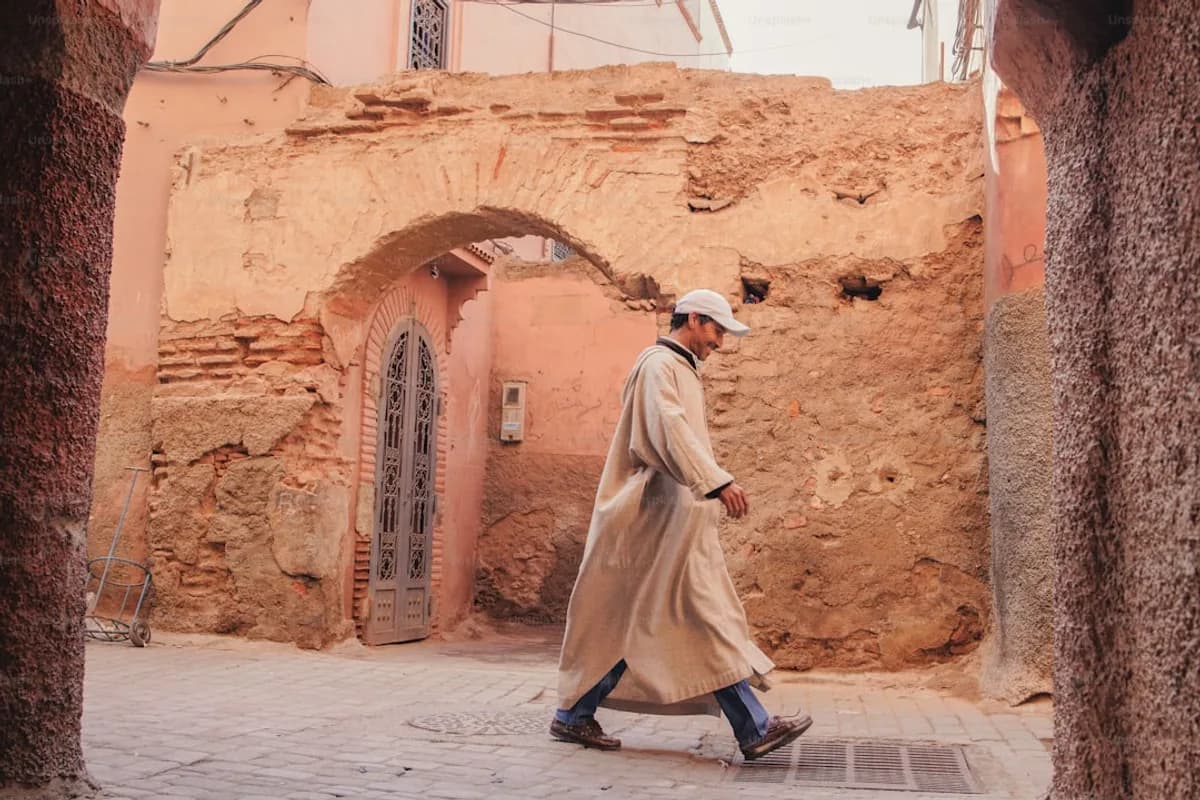
Morocco Safety Tips: Scams to Avoid, Cultural Rules, and How to Stay Safe
Morocco is a safe country for tourists, but knowing the common scams, cultural expectations, and practical safety tips will make your trip smoother. This honest guide covers everything from medina navigation to solo female travel.
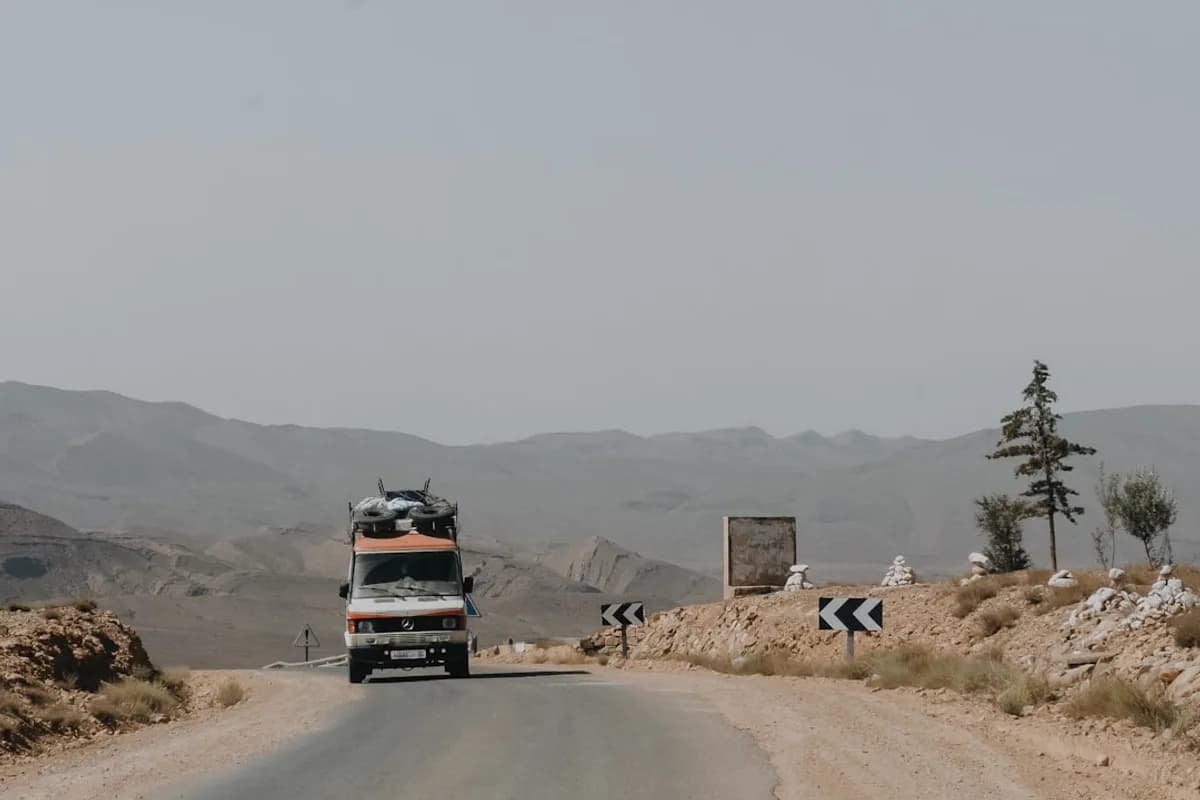
The Perfect 10-Day Morocco Itinerary: Imperial Cities, Mountains, and Sahara
How to see the best of Morocco in 10 days — a day-by-day itinerary covering Marrakech, the Atlas Mountains, Sahara Desert, Fes, Chefchaouen, and more, with transport details, costs, and practical tips.
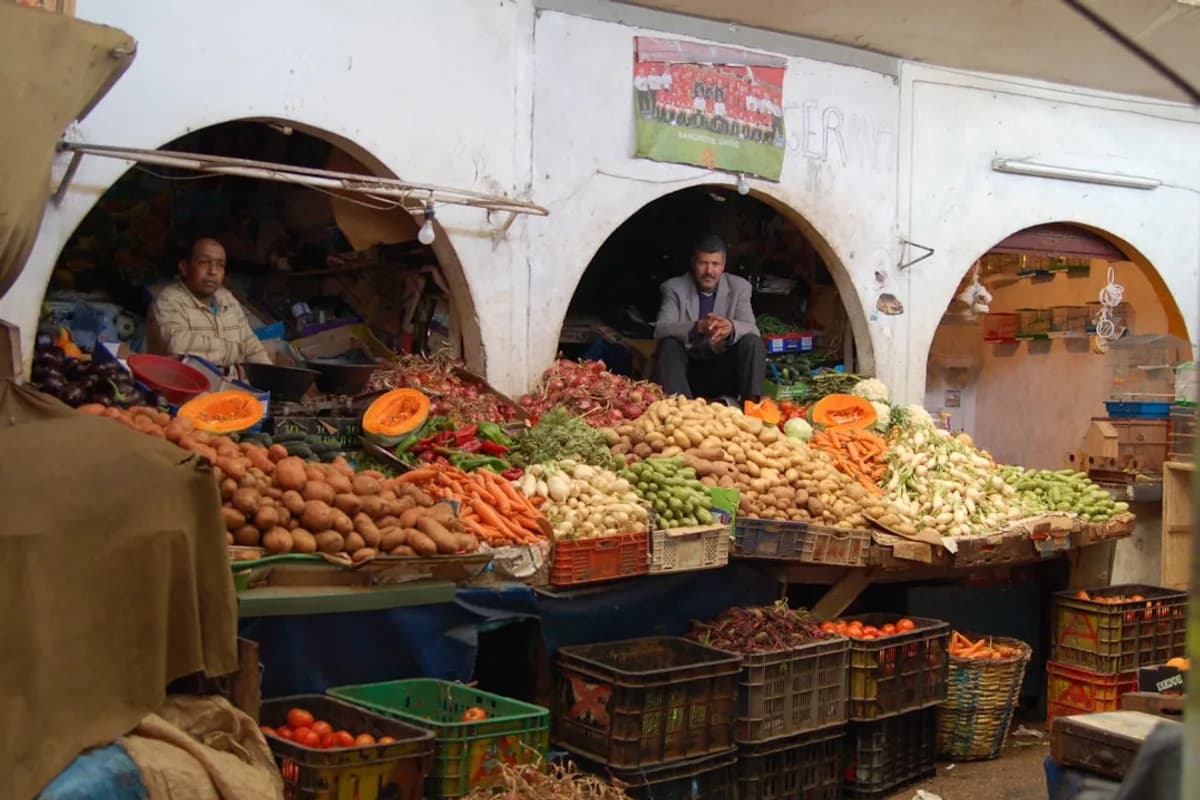
The Complete Guide to Moroccan Food: 15 Dishes You Must Try
From tagine to pastilla, from street-side msemen to the ritual of mint tea — this guide to Moroccan cuisine covers the essential dishes, where to find them, and the cultural traditions behind every meal.
Plan Your Morocco Trip
Book hotels, transport, activities, and get connected with an eSIM
Some links are affiliate links. We may earn a commission at no extra cost to you.