Marrakech Complete Guide: Medina, Souks & Where to Stay
The call to prayer echoes across terracotta rooftops, the scent of spices drifts through narrow alleyways, and the energy of Marrakech pulses through centuries-old souks where merchants have traded goods for generations. This imperial city is Morocco's most intoxicating destination—a place where ancient traditions collide with modern travelers seeking authentic experiences.
Key Takeaways
| Question | Answer |
|---|---|
| What is the best time to visit? | October to April offers pleasant temperatures (15–25°C). June is hot (30°C+) but less crowded; avoid July–August. |
| How much does it cost? | Budget travelers: $25–40/day; mid-range: $60–100/day; luxury: $150+/day. Meals range from $2–5 (street food) to $20–40 (restaurants). |
| How do I get there? | Fly into Marrakech Menara Airport (RAK), 6km southwest of the city. Taxis and shuttles cost $5–15. |
| Is it safe? | Marrakech is generally safe for tourists. Exercise standard precautions in crowded souks; avoid displaying valuables. |
| What should I book in advance? | Riads (traditional guesthouses) fill quickly, especially in peak season. Book 2–4 weeks ahead. Tours to the Atlas Mountains and Sahara benefit from advance booking. |
1. Understanding Marrakech's Layout & Neighborhoods
Marrakech is divided into distinct areas, each with its own character and appeal. The medina (old city) is the historic heart, enclosed by ramparts and home to the famous Jemaa el-Fnaa square. Beyond the medina walls lies the newer ville nouvelle (new town), where modern amenities and contemporary restaurants cluster around the Gueliz district.
Our team's research shows that first-time visitors often underestimate how large and maze-like the medina is. Getting lost is part of the experience, but understanding the broad layout helps you navigate more confidently. The medina radiates outward from Jemaa el-Fnaa, with major souks branching north, east, and west from this central square.
The Medina: Heart of Historic Marrakech
The medina is where Marrakech's soul resides. This UNESCO-listed old city contains everything a visitor needs: riads (traditional houses with interior courtyards), souks (markets), mosques, and hammams (bathhouses). The narrow, winding streets are intentionally designed to provide shade and create a sense of community. When we explored the medina during our research, we found that early mornings (before 9 AM) offer a quieter, more authentic experience before tour groups arrive.
Key neighborhoods within the medina:
- Around Jemaa el-Fnaa: The epicenter of activity. Expect crowds, street performers, food stalls, and constant energy. Best for experiencing Marrakech's vibrant chaos.
- Kasbah neighborhood: South of Jemaa el-Fnaa, quieter and more residential. Home to the Kasbah Mosque and several quality riads.
- Northern souks (near Bab Agnaou): Leather tanneries, metalwork, and textile souks. More local, fewer tourists.
Gueliz & the Ville Nouvelle
The ville nouvelle (new town) developed during the French protectorate and centers around the Gueliz district. This area offers modern hotels, international restaurants, cafes with WiFi, and shopping on Avenue Mohammed V. If you prefer contemporary amenities and less sensory overload, Gueliz is an excellent base, though you'll sacrifice some authentic atmosphere.
During our research visits, we found that staying in Gueliz works well for travelers who want to explore the medina during the day but retreat to a quieter, more familiar environment at night. The walk between Gueliz and the medina takes 15–20 minutes.
2. Top Attractions & Must-See Sights
Marrakech offers a mix of spiritual, cultural, and natural attractions. The city's main draw is its medina and souks, but several specific sites deserve dedicated time. Understanding what to prioritize helps you make the most of your visit.
Jemaa el-Fnaa Square
Jemaa el-Fnaa is the pulsing heart of Marrakech and one of North Africa's most iconic public spaces. This vast, open square in the medina's center is surrounded by restaurants, cafes, and shops, with street performers, food vendors, and musicians occupying the plaza itself. Snake charmers, storytellers, musicians, and acrobats perform throughout the day, creating an overwhelming sensory experience that's quintessentially Moroccan.
What to expect:
- Best time to visit: Early morning (7–9 AM) for a calmer experience, or evening (after 6 PM) when the square fills with locals and the energy peaks
- Food stalls: Arrive hungry. Vendors sell fresh orange juice, grilled meats, snails, and traditional pastries
- Photography tip: Performers may ask for money if you photograph them; negotiate a small fee (1–2 USD) beforehand
Did You Know? Jemaa el-Fnaa has been a gathering place for merchants, performers, and travelers since the 11th century. UNESCO recognizes it as a Masterpiece of the Oral and Intangible Heritage of Humanity.
The Souks: Navigating Marrakech's Markets
The souks are a labyrinth of covered and open-air markets where everything from spices to leather goods, textiles, and metalwork is sold. Unlike modern shopping malls, souks are chaotic, sensory-rich experiences where haggling is expected. Each souk specializes in different goods, and exploring them reveals how Moroccan commerce has functioned for centuries.
Major souks to explore:
- Souk Attarine (Spice Souk): The most aromatic souk. Vendors sell saffron, cumin, cinnamon, and dozens of other spices in vibrant piles. Prices are reasonable, and the sensory experience is unmatched.
- Souk Chouari (Leather Souk): Leather goods, from babouches (traditional slippers) to bags and jackets. Quality varies; inspect items carefully and negotiate prices.
- Souk Smata (Textile Souk): Berber carpets, kilims, and fabrics. Many pieces are handwoven; prices reflect the craftsmanship.
- Souk Semmarine: The main souk corridor, selling everything from souvenirs to clothing. Most touristy but good for getting oriented.
Souk navigation tips:
- Hire a local guide: A 2–3 hour guided souk tour (typically $15–25 per person) prevents you from getting hopelessly lost and teaches you about products and fair pricing
- Haggle respectfully: Shopkeepers expect negotiation, but approach it as a friendly exchange, not a battle. Offering 50–60% of the initial asking price is standard
- Avoid high-pressure sales: If a shopkeeper is aggressive, politely excuse yourself and move on
Palaces & Religious Sites
Bahia Palace is a 19th-century palace showcasing ornate Moroccan architecture with intricate tilework, carved cedar, and beautiful courtyards. The palace is partially open to the public and provides insight into how Moroccan nobility lived. Admission typically costs $3–5 USD.
The Koutoubia Mosque, Marrakech's largest mosque, dominates the skyline with its distinctive minaret visible from across the city. Non-Muslims cannot enter the mosque itself, but the exterior and surrounding gardens are worth viewing, especially at sunset.
The Saadian Tombs contain the remains of the Saadian dynasty rulers and feature stunning tilework and carved plaster. Located south of the medina, this quiet site offers respite from the souk crowds. Admission is around $3 USD.
3. Where to Stay: Neighborhoods & Accommodation Types
Choosing where to stay shapes your entire Marrakech experience. The medina offers authenticity and proximity to attractions but can be noisy and disorienting. Gueliz offers comfort and modernity but feels less "Moroccan." Our team recommends first-time visitors stay in the medina for at least part of their trip to fully absorb the atmosphere.
Riads: The Authentic Medina Experience
A riad is a traditional Moroccan house with an interior courtyard, typically converted into a guesthouse or small hotel. Staying in a riad is one of Marrakech's defining experiences. These properties range from budget-friendly ($25–40/night) to luxury ($200+/night), and most include breakfast and a peaceful courtyard retreat from the bustling streets outside.
What to expect in a riad:
- Layout: Rooms surround a central courtyard with a fountain, plants, and seating areas
- Amenities: WiFi, hot water, and air conditioning in mid-range and above; basic riads may lack some comforts
- Breakfast: Usually included and served in the courtyard
- Noise: Street-facing rooms can be loud; request a courtyard-facing room if noise is a concern
Riad neighborhoods:
- Near Jemaa el-Fnaa: Maximum convenience but maximum noise
- Kasbah area: Quieter, more local feel, 10–15 minute walk to the square
- Northern medina: Most peaceful, but requires more navigation to reach main attractions
Gueliz & Ville Nouvelle Hotels
If you prefer modern hotels with contemporary amenities, the Gueliz district offers international-standard properties. These hotels typically feature pools, restaurants, and reliable WiFi—comforts that some riads lack. Mid-range hotels in Gueliz cost $50–100/night; luxury properties range from $150–300+/night.
Advantages of Gueliz:
- Modern infrastructure and reliable services
- International restaurants and cafes
- Less overwhelming sensory experience
- Easier to find quiet, peaceful accommodation
Disadvantages:
- Less authentic Moroccan atmosphere
- Requires walking or transport to reach the medina
- Can feel generic compared to a riad
Budget Considerations
Budget travelers can find clean, basic riads or hostels for $15–30/night. These properties may lack private bathrooms or air conditioning but offer excellent value and often have social common areas.
Mid-range travelers should budget $50–100/night for a comfortable riad with private bathroom, hot water, and breakfast included.
Luxury travelers can expect $150–300+/night for high-end riads with premium furnishings, excellent service, and sometimes pools or spa facilities.
4. Navigating the Souks: A Practical Guide
The souks are Marrakech's most iconic feature and the most challenging to navigate. Understanding how they work, what to buy, and how to avoid tourist traps is essential for a positive experience.
Souk Etiquette & Haggling
Haggling is not optional in Moroccan souks—it's expected and part of the cultural exchange. However, it should be approached with respect and good humor. When we observed souk interactions during our research, the best transactions occurred when both buyer and seller smiled and treated the negotiation as a friendly game rather than a confrontation.
Haggling guidelines:
- Start at 50–60% of the asking price: This gives room for negotiation without insulting the seller
- Be prepared to walk away: If you're not happy with the price, leaving often prompts a better offer
- Buy multiple items: Sellers are more willing to negotiate on total price if you're buying several pieces
- Avoid haggling if you don't intend to buy: Engaging in negotiation creates an implicit agreement to purchase
What to Buy & Fair Prices
Spices: Marrakech's spices are world-class. Saffron, cumin, cinnamon, and ras el hanout (spice blend) are popular purchases. A small bag of quality saffron costs $5–10 USD; bulk spices are cheaper per unit.
Leather goods: Babouches (slippers), bags, and jackets are iconic Moroccan products. Quality varies significantly. Expect to pay $10–30 for basic babouches, $30–80 for quality leather bags.
Textiles & carpets: Berber carpets are beautiful but expensive ($100–500+). Smaller textiles like scarves and runners cost $10–50. Verify that items are handmade before paying premium prices.
Ceramics & metalwork: Hand-painted ceramics and brass items are popular souvenirs. Prices range from $5 for small items to $50+ for larger pieces.
Common tourist traps:
- "Guides" offering free tours: These individuals expect large tips or commissions; politely decline
- Pressure to enter shops: Shopkeepers may be aggressive; it's acceptable to ignore them
- Inflated prices for tourists: Always ask locals what fair prices are; use this as your negotiation baseline
5. Food & Dining in Marrakech
Moroccan cuisine is one of the world's great culinary traditions, and Marrakech is the perfect place to explore it. From street food to fine dining, the city offers incredible eating experiences at every price point. During our research, we found that some of the best meals came from humble street stalls rather than expensive restaurants.
Traditional Moroccan Dishes to Try
Tagine is Morocco's most iconic dish—a slow-cooked stew of meat (usually chicken, lamb, or beef) with vegetables and dried fruits, served in a conical clay pot. Flavors are complex, balancing savory, sweet, and spiced elements. A tagine meal costs $5–15 in local restaurants, $20–40 in tourist-oriented establishments.
Couscous, tiny granules of semolina, is served with vegetables and meat. Friday couscous is a traditional family meal in Morocco. Expect to pay $5–12 for couscous in casual restaurants.
Pastilla is a crispy pastry filled with shredded chicken, almonds, and spices, dusted with powdered sugar. It's rich and unique—a must-try. Pastilla costs $3–8 per serving.
Harira, a thick soup of lentils, chickpeas, and tomato, is traditionally eaten during Ramadan to break the fast. It's hearty and inexpensive ($2–4).
Learn more about these dishes in our food travel guide.
Where to Eat
Street food & casual eateries: The food stalls around Jemaa el-Fnaa offer authentic, inexpensive meals. Fresh orange juice, grilled meats, snails, and pastries cost $1–5. These stalls are safe if busy and popular with locals.
Mid-range restaurants: Riads often have attached restaurants serving traditional Moroccan food. Expect to pay $10–20 per person for a full meal with drinks.
Fine dining: Marrakech has several upscale restaurants offering refined Moroccan cuisine or international food. These establishments cost $30–60+ per person.
Cafe culture: Moroccan cafes serve strong coffee, mint tea, and pastries. A coffee and pastry costs $2–4. Cafes are excellent places to sit, observe local life, and rest between souk explorations.
Did You Know? Moroccan mint tea (called "atay" locally) is more than a beverage—it's a social ritual. The tea is traditionally poured from a height to create a frothy top and served in ornate glasses. Refusing offered tea can be considered rude.
Source: Lonely Planet Morocco
Ramadan Dining Considerations
If you're visiting during Ramadan (the Islamic holy month of fasting), be aware that many restaurants close during daylight hours, and eating or drinking in public is considered disrespectful. However, some tourist-oriented establishments remain open. Evenings after sunset feature festive meals and special foods. Visiting during Ramadan offers unique cultural insights but requires flexibility and respect for local customs.
6. Day Trips & Excursions from Marrakech
While Marrakech's medina and souks justify several days of exploration, the surrounding region offers incredible natural and cultural experiences. The Atlas Mountains and Berber villages are accessible day trips that provide contrast to the city's intensity.
Atlas Mountains & Berber Villages
The Atlas Mountains rise dramatically south of Marrakech, home to Berber communities living much as they have for centuries. A day trip typically includes a guided hike through mountain villages, visits to local homes, and lunch with a Berber family. These experiences are authentic and deeply rewarding.
What to expect:
- Duration: 8–10 hours including transport
- Cost: $30–60 per person (group tours); $80–150 for private guides
- Physical demand: Moderate hiking; altitude reaches 1,500–2,000 meters
- Best season: October–May (June is hot; July–August extremely hot)
Sahara Desert Tours
Multi-day Sahara Desert excursions depart from Marrakech, typically heading to Merzouga or Zagora. These tours include camel trekking, nights in desert camps, and stunning desert landscapes. A 3-day Sahara tour costs $150–300 per person (budget) to $400–600 (luxury).
Learn more about planning a desert adventure in our Sahara Desert Tour guide.
Hot Air Balloon Rides
Early-morning hot air balloon rides over Marrakech's palm groves and the distant Atlas Mountains are magical experiences. Flights last 1–1.5 hours and include breakfast afterward. Expect to pay $150–250 per person.
Explore this unique experience in our Marrakech Hot Air Balloon guide.
7. Practical Information & Getting Around
Transportation Within Marrakech
Walking: The medina is best explored on foot. Wear comfortable shoes and accept that you'll get lost—this is part of the experience. Main routes are marked, and locals are generally helpful with directions.
Taxis: Petit taxis (small red taxis) are cheap ($1–3 for most in-city trips) but often don't use meters; agree on a price beforehand. Avoid traveling alone at night in taxis if possible.
Calèches: Horse-drawn carriages offer scenic tours of the medina and newer areas. Negotiate prices beforehand; expect to pay $10–20 for a 30-minute ride.
Bicycles & scooters: Some visitors rent bicycles or scooters, but the medina's narrow, crowded streets make this challenging for inexperienced riders.
Money & Costs
The Moroccan currency is the dirham (MAD). As of 2026, exchange rates fluctuate, but approximately 1 USD = 10 MAD. ATMs are widely available in Marrakech; withdraw cash in the medina or Gueliz.
Daily budget breakdown:
- Budget travelers: $25–40/day (basic riad, street food, free attractions)
- Mid-range: $60–100/day (comfortable riad, restaurant meals, paid attractions)
- Luxury: $150+/day (high-end riad, fine dining, private guides)
Internet & Connectivity
WiFi is available in most riads, hotels, and cafes. For reliable mobile data, purchase a local SIM card or eSIM upon arrival. Moroccan carriers offer affordable data plans. Learn more in our eSIM guide.
Safety & Health
Marrakech is generally safe for tourists. Exercise standard precautions: avoid displaying valuables, be cautious in crowded souks where pickpocketing occurs, and avoid isolated areas at night. The medina's narrow streets can feel intimidating after dark, especially for solo travelers.
Health considerations:
- Tap water is generally safe in Marrakech, but bottled water is cheap and widely available
- Stomach upset from unfamiliar food is common; pack antacids
- Sun protection is essential; the Moroccan sun is intense
- Pharmacies are abundant and sell over-the-counter medications
Best Time to Visit
October to April offers ideal weather (15–25°C), manageable crowds, and comfortable conditions for exploring. May and September are pleasant but warmer. June is hot (30°C+) but less crowded than peak season. July and August are extremely hot (35°C+) and crowded; many locals and tourists avoid these months.
8. Cultural Etiquette & Local Customs
Understanding Moroccan customs enhances your experience and shows respect to locals. Morocco is a Muslim country with different social norms than Western destinations.
Dress Code
While Marrakech is more liberal than rural Morocco, modest dress is appreciated, especially in the medina and when visiting religious sites. Women should cover shoulders and knees; loose-fitting clothes are more comfortable in the heat and more respectful. Men should avoid shorts in conservative areas.
Greetings & Interaction
Moroccans are generally warm and hospitable. Learning a few Arabic or French phrases goes a long way. "Salam alaikum" (hello) and "Shukran" (thank you) are appreciated. Avoid discussing politics or religion unless invited.
Photography
Always ask permission before photographing people, especially in the medina. Some performers and vendors expect payment for photos. Religious sites may prohibit photography; look for signs or ask.
Ramadan Sensitivity
During Ramadan, avoid eating, drinking, or smoking in public during daylight hours out of respect for fasting Muslims. Many restaurants close during the day, but tourist areas remain open. Evenings are festive and welcoming.
9. Suggested Itineraries
1-Day Marrakech Itinerary
Morning (7–11 AM):
- Arrive early at Jemaa el-Fnaa to experience the square before crowds
- Breakfast at a cafe overlooking the square
- Explore northern souks (Souk Attarine, Souk Chouari)
Midday (11 AM–3 PM):
- Lunch at a souk restaurant or street stall
- Visit Bahia Palace
- Rest at your riad or a cafe
Afternoon/Evening (3–9 PM):
- Explore southern medina neighborhoods
- Visit Saadian Tombs
- Return to Jemaa el-Fnaa for sunset and dinner at a rooftop restaurant
This itinerary covers Marrakech's highlights but is fast-paced. A 1-day visit is possible but exhausting; 2–3 days is recommended.
3-Day Marrakech Itinerary
Day 1: Medina & Souks
- Morning: Jemaa el-Fnaa and breakfast
- Midday: Souk exploration with a guide
- Afternoon: Bahia Palace
- Evening: Dinner in the medina, explore evening Jemaa el-Fnaa
Day 2: Culture & Relaxation
- Morning: Saadian Tombs and Koutoubia Mosque area
- Midday: Lunch and rest at riad
- Afternoon: Hammam (traditional bathhouse) experience
- Evening: Explore Gueliz district, dinner at a modern restaurant
Day 3: Day Trip or Final Exploration
- Option A: Day trip to Atlas Mountains and Berber villages
- Option B: Hot air balloon ride over palm groves
- Option C: Spend the day revisiting favorite souks and neighborhoods, shopping for final souvenirs
This itinerary balances major attractions with rest and allows for deeper exploration than a 1-day visit.
10. Common Mistakes to Avoid
Underestimating the medina's size: The medina is vast and confusing. Allow more time than you think for navigation and getting lost.
Haggling too aggressively: Treat haggling as a friendly exchange, not a battle. Aggressive negotiation can sour interactions with shopkeepers.
Ignoring local customs: Disrespecting Ramadan, dressing immodestly, or being dismissive of local culture creates negative experiences. Respect goes a long way.
Booking accommodations last-minute in peak season: Quality riads fill quickly (October–April). Book 2–4 weeks in advance for the best options.
Skipping the medina for Gueliz: While Gueliz offers comfort, the medina is Marrakech's soul. Stay in a riad for at least part of your visit to fully experience the city.
Overpaying for tours: Research tour prices beforehand. Hiring a local guide directly (often cheaper than booking through your riad) or joining group tours can save money.
Did You Know? Marrakech's medina was designated a UNESCO World Heritage Site in 1985, recognizing its outstanding universal value and the preservation of its traditional urban fabric.
Source: UNESCO World Heritage Centre
Frequently Asked Questions
How many days should I spend in Marrakech?
Two to three days allows you to explore the medina, souks, and major attractions without feeling rushed. A 1-day visit is possible but exhausting. Longer stays (4+ days) give time for day trips to the Atlas Mountains or Sahara Desert.
Is it safe to travel alone in Marrakech?
Yes, Marrakech is generally safe for solo travelers. Exercise standard precautions: avoid isolated areas at night, be cautious in crowded souks, and trust your instincts. Solo female travelers should dress modestly and may experience persistent vendors in souks, but serious safety issues are rare.
What's the best way to navigate the medina without getting lost?
Hire a local guide for 2–3 hours ($15–25 per person) to learn the layout and main routes. Download offline maps on your phone. Accept that getting lost is part of the experience; locals are generally helpful with directions. Mark your riad's location on your phone for reference.
Can I visit Marrakech during Ramadan?
Yes, but with awareness. Many restaurants close during daylight; tourist areas remain open. Eating or drinking in public is disrespectful. Evenings are festive with special foods and celebrations. Visiting during Ramadan offers unique cultural insights but requires flexibility.
How much should I budget for a week in Marrakech?
Budget travelers: $175–280; mid-range: $420–700; luxury: $1,050+. This includes accommodation, meals, attractions, and transport but not flights. Costs vary based on accommodation choices and dining preferences.
What's the difference between a riad and a hotel?
A riad is a traditional Moroccan house with an interior courtyard, typically smaller and more intimate than hotels. Riads offer authentic atmosphere and usually include breakfast. Hotels offer modern amenities, consistent service, and often pools. Both have advantages; riads are more "Moroccan," hotels more comfortable.
Do I need to book tours in advance?
Atlas Mountains and Sahara Desert tours benefit from advance booking (1–2 weeks), especially in peak season. City-based tours and souk guides can often be arranged same-day, though booking ahead ensures better options.
Conclusion
Marrakech is a city that demands time and openness. The medina's chaos, the souks' sensory overload, and the constant negotiation can feel overwhelming initially, but they're also what make Marrakech unforgettable. Whether you're sipping mint tea in a riad courtyard, haggling for spices in the souks, or watching sunset over the Atlas Mountains from a rooftop restaurant, Marrakech offers experiences that stay with you long after you leave.
For a comprehensive overview of Morocco's other imperial cities and regions, explore our Imperial Cities region guide. To plan your broader Morocco itinerary, visit our main Morocco travel guide.
Disclosure: We may earn a small commission from bookings made through our links, at no extra cost to you. This helps us keep creating free travel guides.
Have questions about planning your Marrakech trip? Share them in the comments below, or reach out to our team for personalized recommendations.
Sources & References
This article is based on first-hand experience and verified with the following official sources:

Go2Morocco Team
Exploring Morocco since 2023 | All 12 regions covered | Updated monthly
We are a team of travel writers and Morocco enthusiasts who explore the country year-round. Our guides are based on first-hand experience, local knowledge, and verified official sources.
More about us →People Also Read
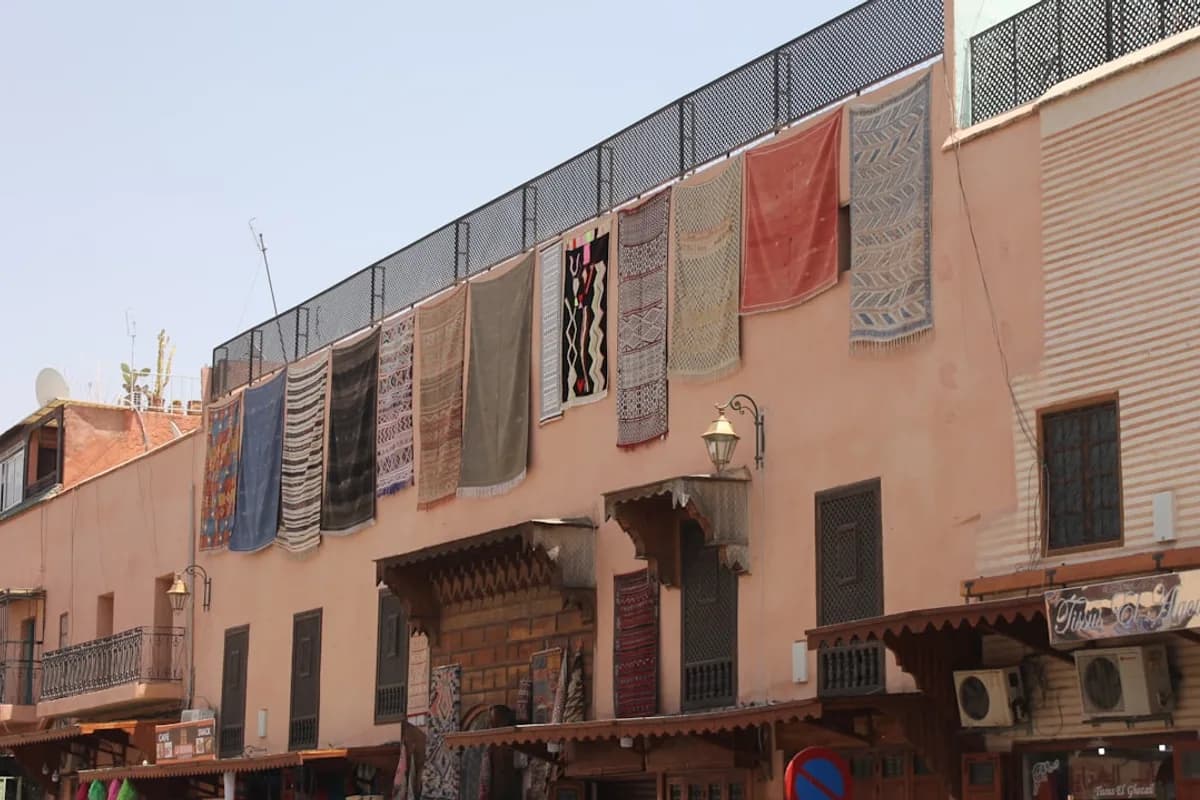
Marrakech for First-Timers: The Ultimate 2026 Guide
First time in Marrakech? This complete guide covers where to stay, what to see, how to navigate the medina, and essential tips for making the most of Morocco's most exciting city.
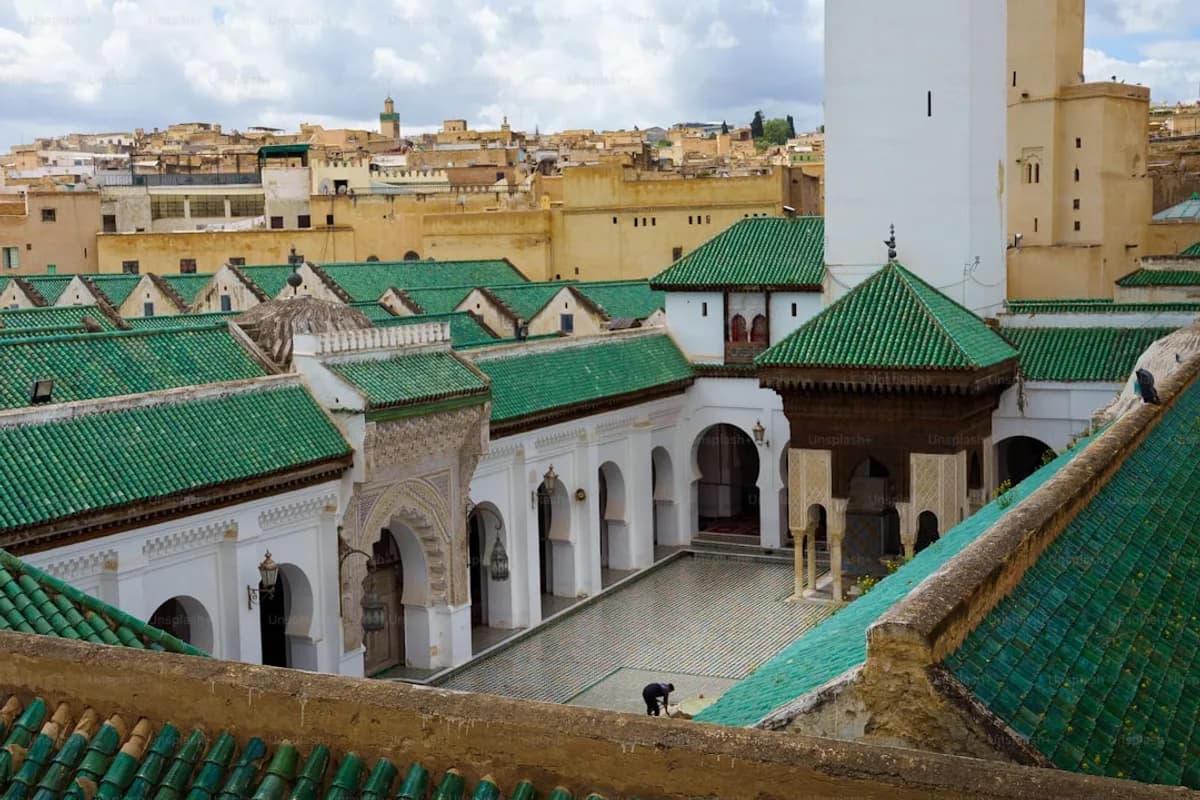
Fes Medina Survival Guide: How to Navigate the World's Largest Car-Free Zone
The medina of Fes el-Bali is the world's largest car-free urban area — and one of the most disorienting. This survival guide gives you the strategies, landmarks, and tips you need to explore with confidence.
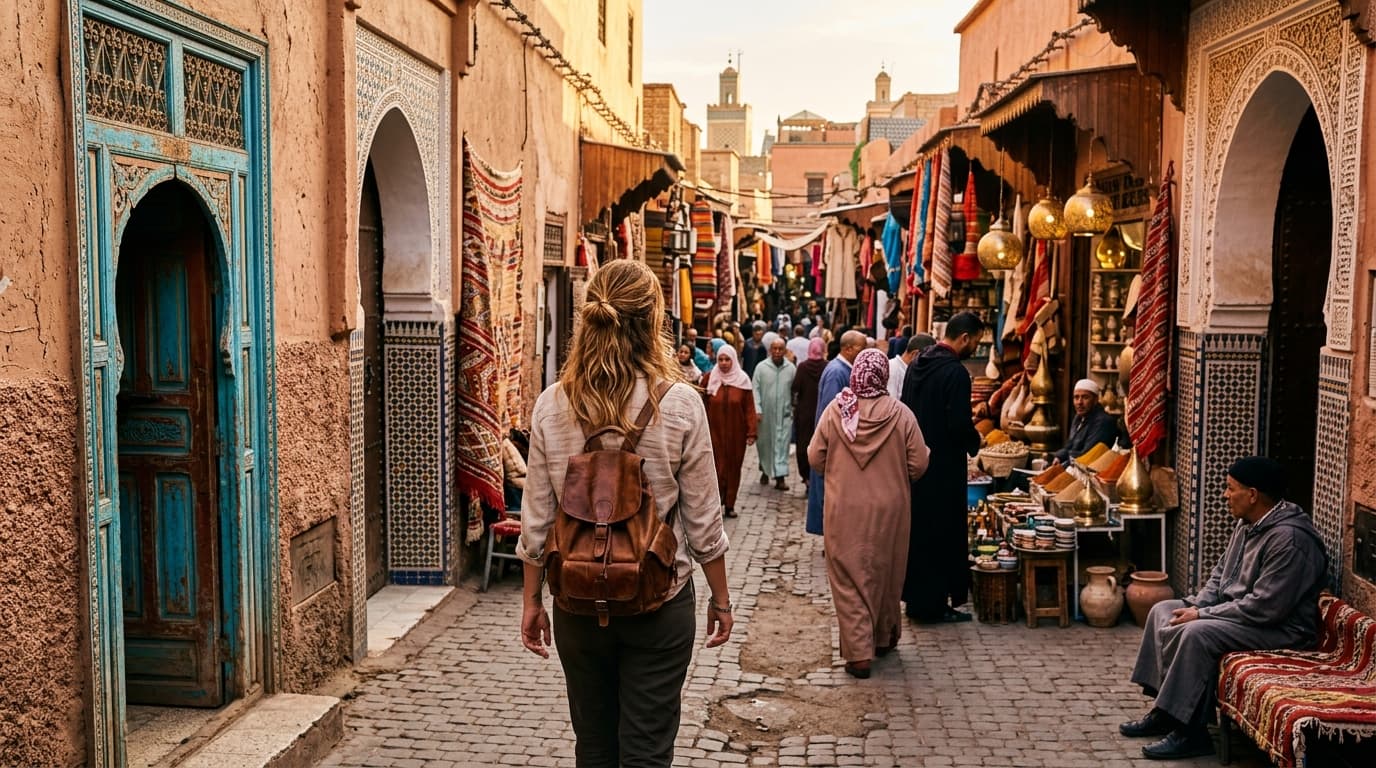
Morocco Safety Guide: What Every Traveler Needs to Know
Complete Morocco safety guide with real advice from local experts. Learn about petty crime, scams, transport safety, and how to stay safe while traveling.
Day Trips from Marrakech: Ourika Valley, Essaouira & Ouzoud Falls
Discover the best day trips from Marrakech: Ourika Valley, Essaouira & Ouzoud Falls. Honest guides, prices, operators & practical booking tips.
Plan Your Morocco Trip
Book hotels, transport, activities, and get connected with an eSIM
Some links are affiliate links. We may earn a commission at no extra cost to you.