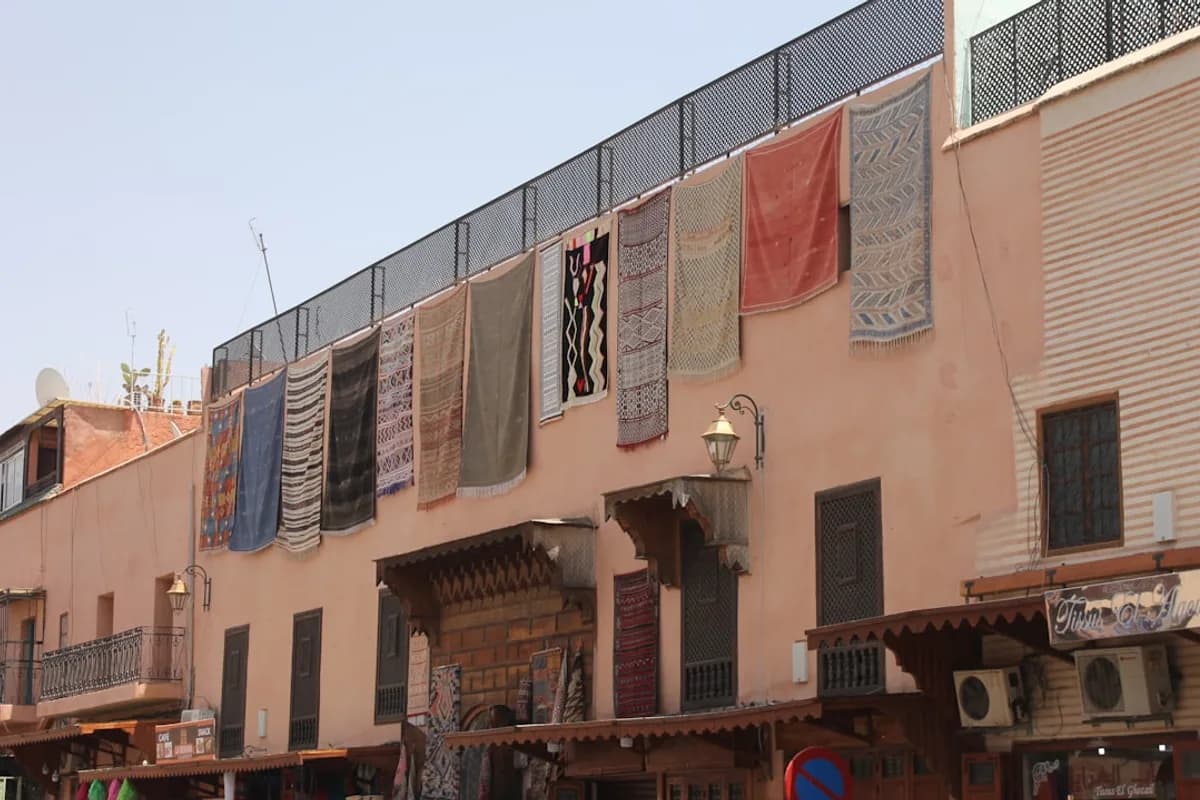
Marrakech for First-Timers: The Ultimate 2026 Guide
Marrakech can feel overwhelming on your first visit — the maze-like medina, the constant sensory stimulation, the intensity of the souks. But with the right preparation, it becomes one of the most rewarding travel experiences in the world. This guide gives you everything you need to navigate the Red City with confidence.
Understanding the Layout
Marrakech has two distinct zones that feel like different cities:
The Medina (Old City): A dense maze of narrow alleys enclosed by 19 km of red-ochre walls built in the 12th century. This is where you will find Jemaa el-Fna, the souks, riads, palaces, and the overwhelming majority of what makes Marrakech special. No cars can enter most of the medina — it is pedestrian-only territory, with donkeys and motorcycles as the only motorized competition.
Gueliz (Ville Nouvelle): The modern district built during the French Protectorate, with wide boulevards, international restaurants, galleries, and shops. It offers a different — and sometimes welcome — pace from the medina intensity.
Where to Stay
Stay in a Riad (Strongly Recommended)
A riad is a traditional Moroccan house built around a central courtyard garden. Staying in one is one of the defining experiences of a Marrakech visit. The best riads offer:
- Beautiful architecture with zellige tilework, carved plaster, and painted cedar ceilings
- A peaceful courtyard oasis away from medina intensity
- Rooftop terrace with Atlas Mountain views
- Home-cooked Moroccan breakfast included
- Personal service and local knowledge from the staff
Budget riads: 250-500 MAD ($25-50) — Simple but charming, often family-run. Mid-range riads: 600-1,500 MAD ($60-150) — Beautifully restored with pools and rooftop dining. Luxury riads: 2,000-6,000+ MAD ($200-600+) — Palatial properties with full spa and gourmet restaurants.
Best neighborhoods for riads:
- Mouassine: Central, close to the souks and Jemaa el-Fna. Good restaurant access.
- Bab Doukkala: Slightly quieter, easy taxi access at the gate.
- Kasbah/Mellah: Near the Saadian Tombs and Bahia Palace. More spacious streets.
Finding Your Riad
Here is the critical first-timer tip: riads are hidden behind unmarked doors in narrow alleys. Your riad will typically arrange a meeting point at a nearby landmark or send someone to guide you from a medina gate. After a day or two, you will learn the route. Download offline Google Maps — it works surprisingly well in the medina.
The Must-Do Experiences
1. Jemaa el-Fna at Sunset (Allow 2-3 Hours)
This is Marrakech's beating heart and a UNESCO-recognized Masterpiece of Oral and Intangible Heritage. The square transforms each evening into a spectacle unlike anything else on earth.
How to experience it:
- Arrive at a rooftop cafe (Cafe de France, Cafe Glacier, or Nomad) around 5pm to secure a terrace seat.
- Order mint tea and watch the transformation from above as food stalls assemble, musicians tune up, and the square fills.
- Descend to street level to walk through the action — snake charmers, henna artists, storytellers, acrobats.
- Eat at the food stalls (look for the busiest ones). Grilled meats, harira soup, snails, and fresh juice are all excellent and cost 30-60 MAD.
2. The Souks (Allow Half a Day)
The covered markets north of Jemaa el-Fna are organized by trade:
- Souk Semmarine: The main artery, textiles and clothing
- Souk des Babouches: Leather slippers in every color
- Souk Haddadine: Metalworkers hammering lanterns and trays
- Souk des Teinturiers: Dyed fabrics hanging from the rafters
- Souk Chouari: Woodworkers and carpenters
Bargaining essentials:
- Everything has a negotiable price. The initial asking price is typically 3-5 times the expected selling price.
- Start at about one-third of the asking price and work toward a middle ground.
- Walk away if you cannot reach an acceptable price — the vendor will often call you back.
- Never start bargaining unless you are genuinely interested in buying.
- A firm "la shukran" (no thank you) while walking away is the best way to end unwanted sales interactions.
3. Ben Youssef Madrasa (Allow 1 Hour)
This 14th-century Islamic college is one of the most beautiful buildings in Morocco. The courtyard features extraordinary zellige tilework, carved stucco, and cedar wood muqarnas (honeycomb vaulting). Entry costs 50 MAD. Go early in the morning to avoid crowds.
4. Jardin Majorelle (Allow 1.5 Hours)
The electric-blue Art Deco villa and botanical garden created by French painter Jacques Majorelle and later restored by Yves Saint Laurent. The Berber Museum on-site is excellent. Entry 70 MAD for the garden, 30 MAD for the museum. Book timed entry online to avoid the queue.
5. Bahia Palace (Allow 1-1.5 Hours)
A stunning 19th-century palace showcasing the finest Moroccan craftsmanship — painted cedar ceilings, zellige floors, carved stucco walls. Entry 70 MAD.
6. A Traditional Hammam
The Moroccan steam bath is an essential cultural experience. Options range from:
- Local neighborhood hammam: 15-20 MAD entry. Bring your own savon beldi (black soap) and kessa (scrubbing glove) or buy them there. The experience is entirely local and authentic but may feel unfamiliar for first-timers.
- Tourist-friendly hammam: 200-600 MAD. Heritage Spa, Les Bains de Marrakech, and many riads offer hammam experiences with English-speaking staff and a guided process.
Eating in Marrakech
Street Food (Budget: 20-60 MAD per meal)
Marrakech's street food is exceptional:
- Jemaa el-Fna stalls: Grilled meats, harira soup, snails (babbouche), sheep head (not for the faint-hearted)
- Mechoui Alley: Slow-roasted lamb sold by weight (look for the tiny alley near the spice market)
- Fresh orange juice: 5-10 MAD at the square's juice stands
- Msemen and sfenj: Moroccan flatbread and doughnuts from morning vendors
Mid-Range Restaurants (100-300 MAD per person)
- Nomad: Modern Moroccan on a rooftop overlooking the spice market
- Cafe des Epices: Relaxed terrace in the Rahba Kedima square
- Le Jardin: Beautiful garden restaurant in the medina
Fine Dining (400-1,000+ MAD per person)
- Al Fassia: Renowned women-run restaurant with traditional Moroccan cuisine (Gueliz location)
- La Maison Arabe: Elegant palace restaurant with cooking classes
- Le Comptoir Darna: Moroccan-international fusion with live entertainment
Practical Tips
Getting Around
- The medina is walking only. Wear comfortable shoes — the cobblestones are uneven.
- Petit taxis (beige in Marrakech) are metered. A ride from the medina to Gueliz costs 15-30 MAD.
- Always insist on the meter or agree on a price before getting in.
- The Marrakech airport is just 6 km from the medina — taxi 70-100 MAD, airport bus 30 MAD.
Staying Connected
- Buy a Moroccan SIM card at the airport from Maroc Telecom, Inwi, or Orange for 30-50 MAD including data. Useful for maps and ride-hailing.
- Most riads have free Wi-Fi, though speed varies.
Avoiding Common Scams
- Fake guides: People approaching to "help" you find your riad or the tanneries, then demanding payment. A firm "la shukran" is sufficient.
- Henna artists: Women may grab your hand and apply henna without consent, then demand 100+ MAD. Simply avoid extending your hand.
- Restaurant touts: Ignore anyone steering you toward a specific restaurant in exchange for a commission.
- Overpriced taxis from the airport: Use the meter or agree on 70-100 MAD to the medina before starting.
Dressing Appropriately
Marrakech is more liberal than rural Morocco, but modesty is respected:
- Women: Shoulders and knees covered in the medina. Loose-fitting clothing is most comfortable.
- Men: Shorts are acceptable but long pants are more respectful in the medina.
- Everyone: Remove shoes before entering riads and any religious buildings.
Suggested 3-Day Itinerary
Day 1: Medina Immersion
- Morning: Ben Youssef Madrasa, Museum of Marrakech
- Afternoon: Wander the souks (bring small change, a sense of humor, and willingness to get lost)
- Sunset: Jemaa el-Fna from a rooftop cafe, then eat at the food stalls
Day 2: Palaces, Gardens, and Culture
- Morning: Bahia Palace, then Saadian Tombs
- Midday: Lunch at Nomad or Cafe des Epices
- Afternoon: Jardin Majorelle and Berber Museum
- Evening: Hammam experience, then dinner at a riad restaurant
Day 3: Day Trip or Deeper Exploration
- Option A: Atlas Mountains day trip to Imlil Valley (organized tour or grand taxi, from 300-600 MAD)
- Option B: Cooking class in the morning, Mellah and Jewish heritage in the afternoon
- Option C: Further medina exploration — the tanneries, El Badi Palace ruins, the photography museum
FAQ
Is Marrakech safe?
Yes, Marrakech is safe for tourists. Violent crime against visitors is very rare. The main annoyances are aggressive touts, unofficial guides, and pickpockets in crowded areas. Common sense and a firm "no thank you" handle most situations.
How many days do I need in Marrakech?
Three full days is the sweet spot. Two days covers the major sights; three allows a day trip or deeper exploration. Four or more days allows you to truly relax into the rhythm of the city.
When is the best time to visit?
March to May and September to November. Avoid July-August when temperatures regularly exceed 40 degrees Celsius.
Can I drink tap water?
No, stick to bottled water, which is available everywhere for 5-10 MAD. Ice in restaurants is typically made with purified water and is safe.
How do I get from the airport to the medina?
Petit taxi (70-100 MAD, 15-20 minutes), airport bus Line 19 to Jemaa el-Fna (30 MAD), or pre-arranged riad transfer. Avoid grand taxis that try to charge tourist prices.
Sources & References
This article is based on first-hand experience and verified with the following official sources:
Go2Morocco Team
Exploring Morocco since 2023 | All 12 regions covered | Updated monthly
We are a team of travel writers and Morocco enthusiasts who explore the country year-round. Our guides are based on first-hand experience, local knowledge, and verified official sources.
More about us →People Also Read
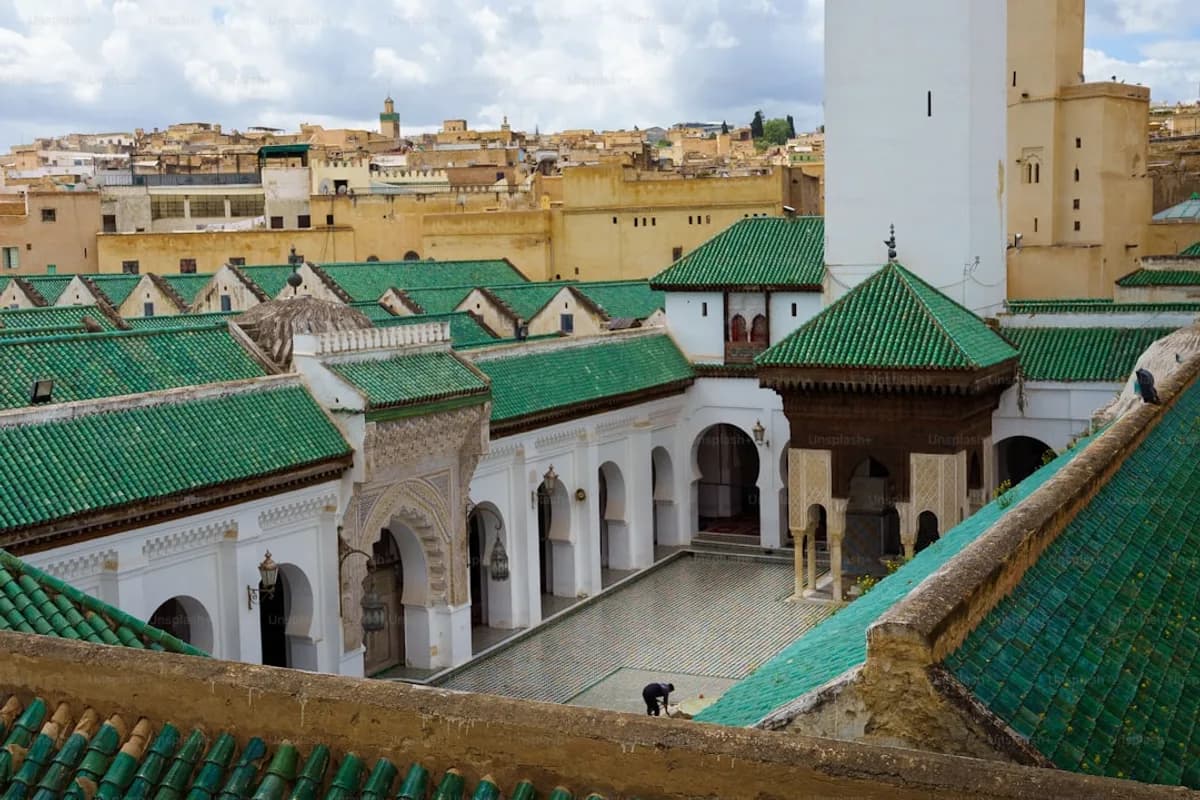
Fes Medina Survival Guide: How to Navigate the World's Largest Car-Free Zone
The medina of Fes el-Bali is the world's largest car-free urban area — and one of the most disorienting. This survival guide gives you the strategies, landmarks, and tips you need to explore with confidence.
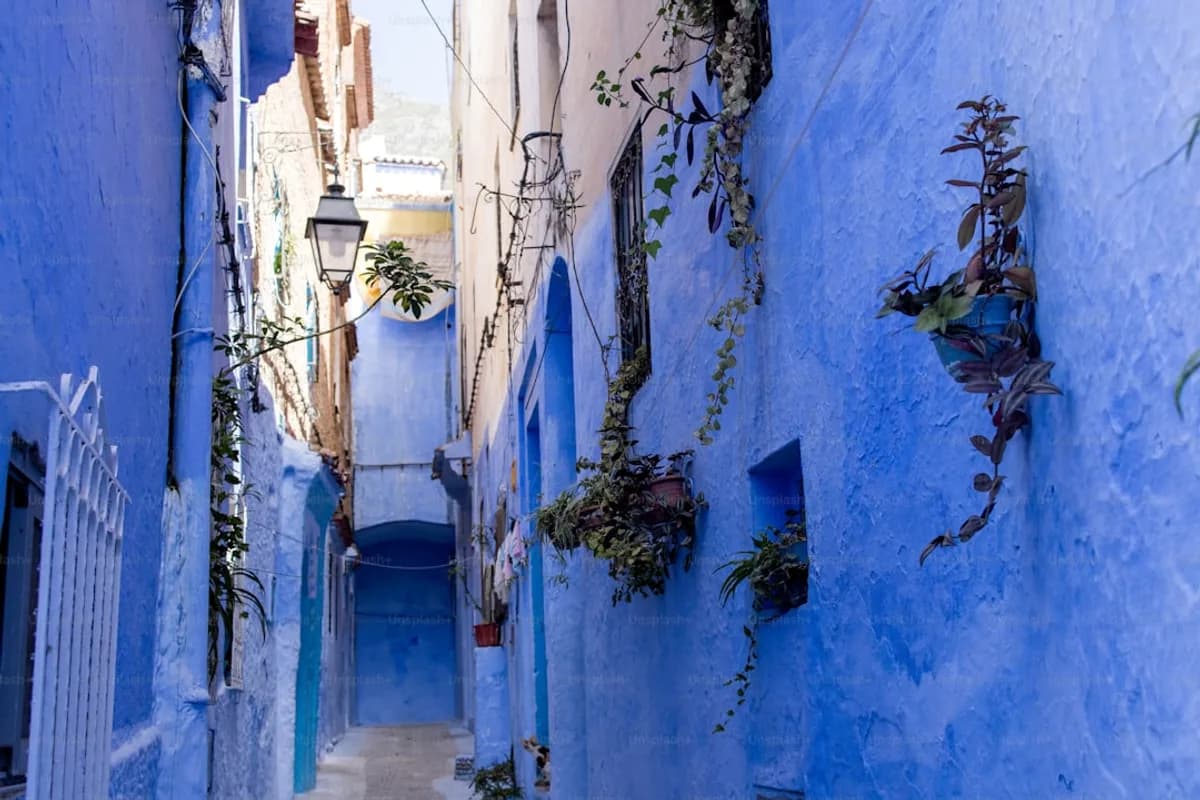
Chefchaouen: The Complete Guide to Morocco's Blue City
Everything you need to know about visiting Chefchaouen — from navigating the blue medina and hiking the Rif Mountains to where to eat, where to stay, and how to get the best photos.
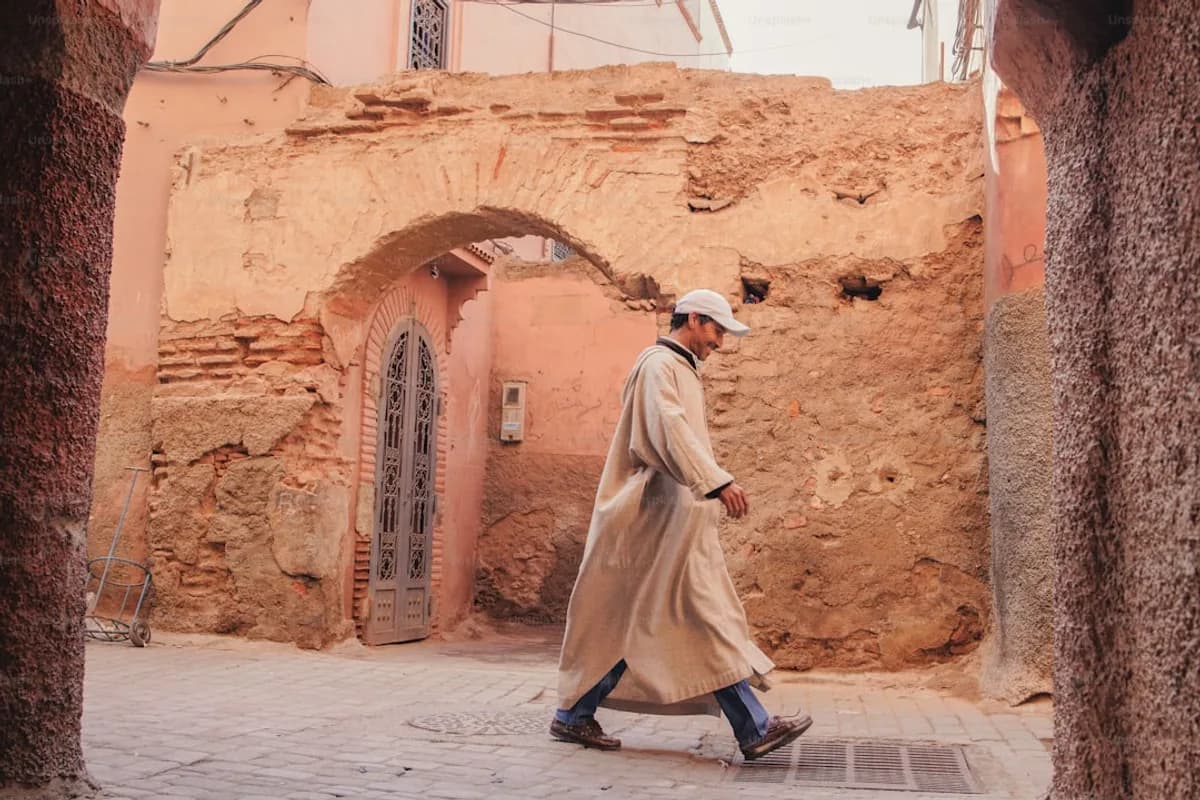
Morocco Safety Tips: Scams to Avoid, Cultural Rules, and How to Stay Safe
Morocco is a safe country for tourists, but knowing the common scams, cultural expectations, and practical safety tips will make your trip smoother. This honest guide covers everything from medina navigation to solo female travel.
Morocco Travel Guide 2026: Everything You Need to Know
The complete guide to traveling in Morocco — from visa requirements and budget tips to cultural etiquette and the best time to visit. Everything first-timers and returning visitors need for an unforgettable trip.
Plan Your Morocco Trip
Book hotels, transport, activities, and get connected with an eSIM
Some links are affiliate links. We may earn a commission at no extra cost to you.