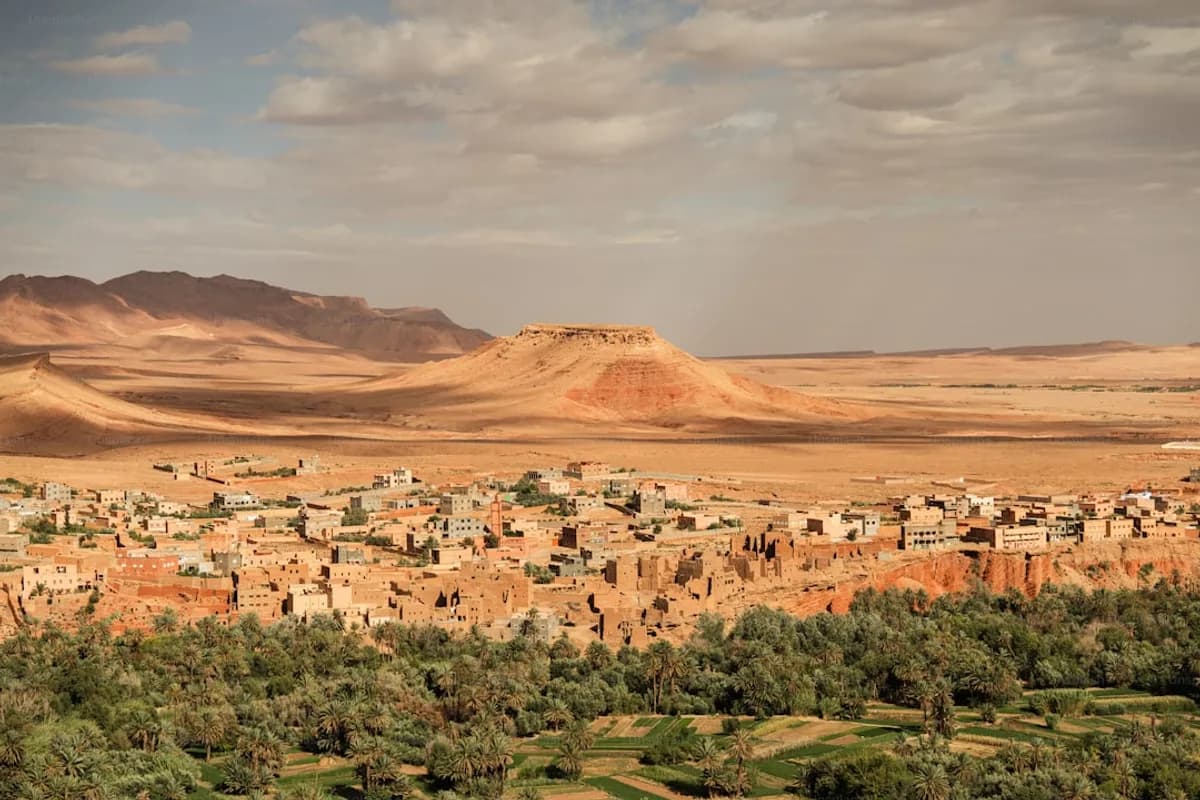
Sahara Desert Tour Guide: Everything You Need to Know About Visiting Erg Chebbi
Sahara Desert Tour Guide: Everything You Need to Know About Visiting Erg Chebbi
A night in the Sahara Desert is one of Morocco's defining experiences — riding a camel into golden dunes at sunset, sleeping under a canopy of stars, and watching the sunrise paint the desert in shades of orange and gold. Here is everything you need to plan it.
Understanding the Geography
Morocco has two main desert dune areas:
Erg Chebbi (Merzouga): The most popular destination. A 22-km-long, 5-km-wide dune field with dunes up to 150 meters high. More accessible with better tourist infrastructure. This is where the iconic "Sahara experience" photos come from.
Erg Chigaga (M'Hamid): Larger and more remote, requiring 4x4 access. Fewer tourists, more authentic isolation. Better for those seeking a true off-grid desert experience.
This guide focuses on Erg Chebbi as it is by far the most common choice.
Getting There
The Classic Routes
From Marrakech (2-3 days, approximately 550 km): The most popular route. Day 1: Marrakech to Ouarzazate via the Tizi n'Tichka pass, stopping at Ait Benhaddou. Day 2: Ouarzazate through the Dades Valley to the Todra Gorge, then on to Merzouga. Day 3: Desert sunrise, then return.
From Fes (1-2 days, approximately 460 km): Day 1: Fes south through the Middle Atlas via Ifrane and Errachidia to Merzouga. Day 2: Desert experience and return or continue to Marrakech.
Most tours operate as loops: Marrakech to Merzouga to Fes (or vice versa), covering different scenery in each direction.
Independent Travel
Take a Supratours bus from Fes to Rissani (8-9 hours), then a grand taxi to Merzouga (30 MAD, 35 km). From Marrakech, take a CTM bus to Ouarzazate (4-5 hours) and continue to Merzouga over 2 days.
Types of Tours
Budget Group Tours (1,200-2,500 MAD / $120-250 per person)
- Shared minibus with 10-15 travelers
- 2-3 days from Marrakech or Fes
- Basic desert camp (shared Berber tents, communal facilities)
- Included: Transport, accommodation, meals, camel trek
- Good value but less flexibility and more rushed
Mid-Range Private Tours (2,500-5,000 MAD / $250-500 per person)
- Private vehicle with driver/guide
- 2-3 days with flexible stops
- Mid-range desert camp (semi-private tents, better facilities)
- Included: All transport, accommodation, meals, camel trek
- Best balance of comfort and value
Luxury Private Tours (5,000-15,000+ MAD / $500-1,500+ per person)
- Private 4x4 with guide
- Premium kasbah accommodation en route
- Luxury desert glamping (private tents with real beds, en-suite bathrooms, gourmet dining)
- Exclusive dune experiences
- The ultimate desert experience
Independent + Local Camp Booking
- Arrange your own transport to Merzouga
- Book directly with a desert camp or through your Merzouga hotel
- Camel trek and overnight camp: 250-500 MAD (basic) to 2,000-5,000 MAD (luxury) per person
- Most flexible and often best value
What to Expect
The Camel Trek (1-1.5 Hours Each Way)
You will mount a dromedary camel (one hump, not two) at the edge of the dunes, typically around 4-5pm. The caravan walks single file into the dunes, with a Berber guide leading. The ride takes 60-90 minutes to reach the camp. The swaying gait takes some getting used to — hold on firmly and lean back slightly.
The Desert Camp
Basic camps have communal Berber tents with mattresses on the ground, shared toilets, and a central fire pit. Luxury camps have private tents with real beds, en-suite bathrooms, and sometimes even air conditioning.
A typical evening:
- Arrive at camp, mint tea welcome
- Watch the sunset from a dune top
- Dinner (usually tagine or couscous) served communally
- Berber drumming and music around the campfire
- Stargazing (desert skies are extraordinary — no light pollution)
- Sleep
Sunrise
Wake before dawn (your guide will call you) and climb a nearby dune for sunrise. The light show as the sun crests the dune ridges, casting long shadows and painting the sand golden-orange, is the signature moment of the experience.
When to Go
- October-November: Ideal. Warm days (25-30 degrees), cool nights (10-15 degrees). Clear skies.
- March-April: Also excellent. Warming days, chance of rare rainfall creating the temporary Dayet Srij lake with flamingos.
- December-February: Comfortable days but very cold nights (can drop to near freezing). Pack serious warm layers for the camp.
- June-September: Too hot. Dangerous daytime temperatures (45+ degrees). Not recommended.
What to Pack
- Warm layers: Even in spring and autumn, desert nights are cold. Thermal base layer, fleece, and a warm jacket.
- Headlamp/flashlight: Desert camps typically have no electricity. Essential for navigating at night.
- Sunscreen, hat, sunglasses: The desert sun is intense.
- Scarf/shawl: For sun protection, warmth, and sand protection in wind.
- Camera with charged batteries: Cold nights drain batteries. Keep them in your sleeping bag.
- Water: Carry at least 2 liters for the overnight.
- Cash: Tips for the camel guide and camp staff (50-100 MAD is appropriate).
Beyond the Classic Camel Trek
- Sandboarding: Rent a board (150-300 MAD) and slide down the dune faces.
- 4x4 desert excursion: Circle the entire Erg Chebbi field, visiting nomad families, fossil sites, and Khamlia village.
- Quad biking: Available from 300-500 MAD per hour. Controversial due to noise and environmental impact.
- Gnaoua music in Khamlia: The nearby village offers informal concerts of traditional spiritual music. Transport via your hotel (7 km south of Merzouga).
Choosing the Right Tour
Questions to Ask Before Booking
- How many people are in the group?
- What type of camp (basic, mid-range, luxury)?
- Are meals included? What is served?
- How long is the camel trek?
- What stops are included on the route?
- Is the guide English-speaking?
- What is the cancellation policy?
Red Flags
- Extremely cheap prices (below 800 MAD for 3 days from Marrakech) often mean overcrowded transport and very basic camps.
- Agencies that cannot specify the camp name or show photos.
- Pressure to book on the spot without time to research.
Green Flags
- Specific camp names and photos you can verify online.
- Reviews on Google, TripAdvisor, or booking platforms.
- Clear itinerary with timing and included meals.
- Willingness to answer detailed questions.
FAQ
Is the camel trek difficult?
No special fitness is required, but the swaying motion can cause mild discomfort (similar to seasickness). If prone to motion sickness, take medication beforehand. The ride is approximately 1-1.5 hours each way.
Can I walk instead of riding a camel?
Yes, you can walk alongside the caravan. Some people prefer this, especially for the return journey. Walking in soft sand is tiring but very feasible.
Is it safe?
Yes. The desert tours around Merzouga are well-established and safe. The main risks are environmental (heat, cold, dehydration) rather than security-related.
What about toilets in the desert?
Basic camps have simple shared toilets (often a separate tent). Luxury camps have en-suite facilities. On the camel trek itself, there are no facilities — the dunes provide privacy.
Can I do a desert trip as a day trip?
From Merzouga, yes — you can do a sunset camel trek and return to the village the same evening without the overnight camp. This misses the stargazing and sunrise, which are the highlights, so an overnight is strongly recommended.
How far in advance should I book?
In peak season (October-November, March-April), book 2-4 weeks in advance, especially for luxury camps. In low season, you can often book a day or two ahead in Merzouga.
Sources & References
This article is based on first-hand experience and verified with the following official sources:
Go2Morocco Team
Exploring Morocco since 2023 | All 12 regions covered | Updated monthly
We are a team of travel writers and Morocco enthusiasts who explore the country year-round. Our guides are based on first-hand experience, local knowledge, and verified official sources.
More about us →People Also Read
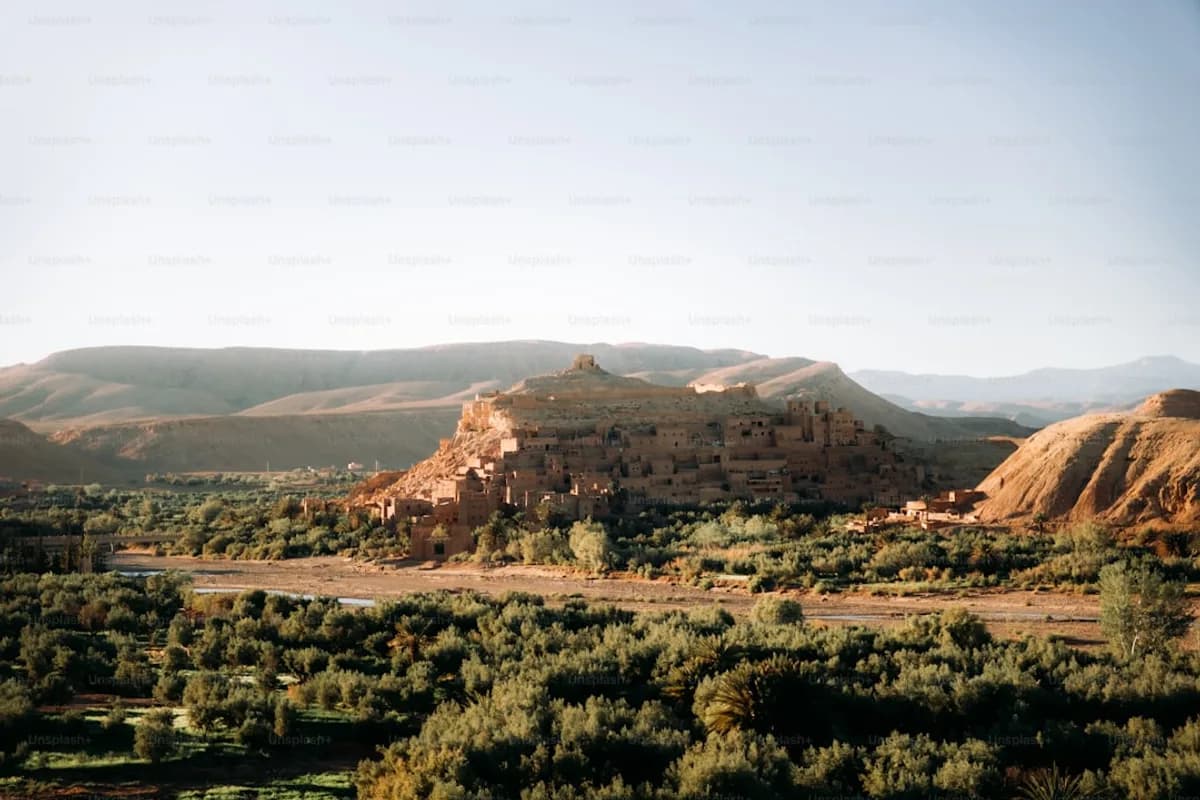
Best Time to Visit Morocco: A Month-by-Month Seasonal Guide
When should you visit Morocco? This detailed month-by-month guide covers weather, festivals, crowds, and prices for every region — so you can plan the perfect trip for any season.
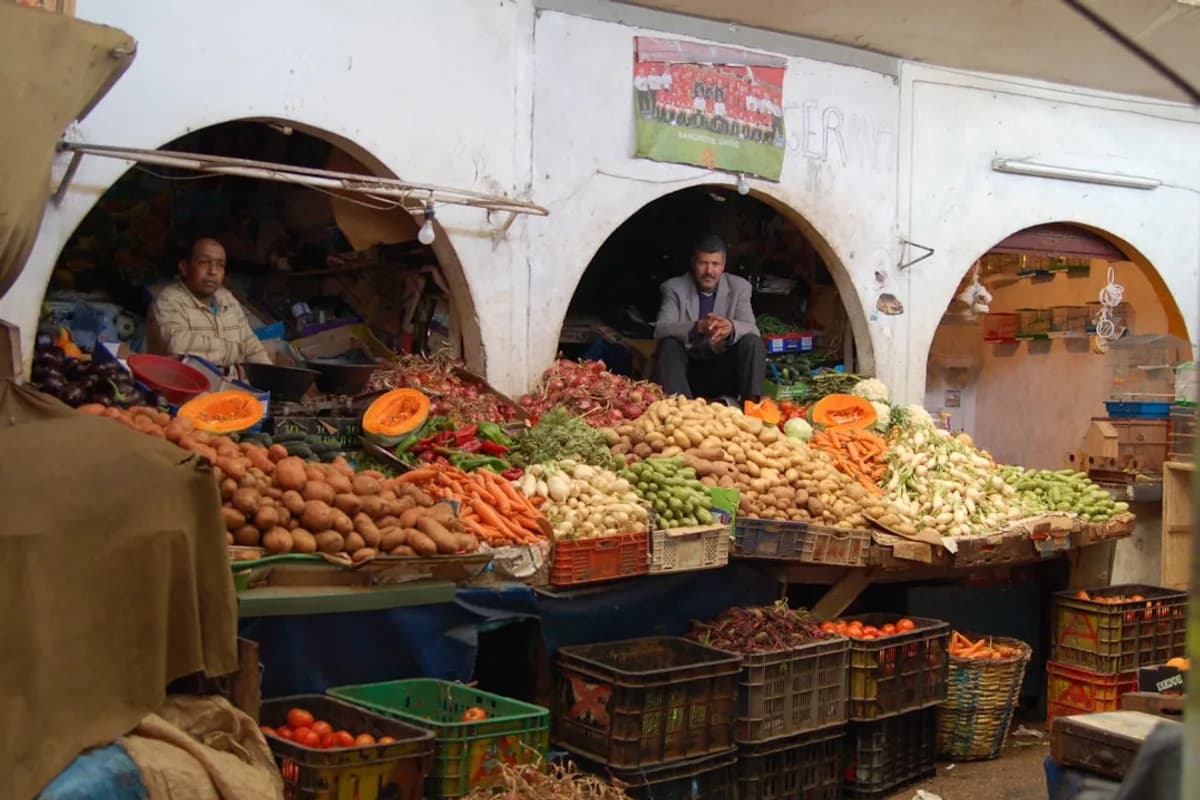
The Complete Guide to Moroccan Food: 15 Dishes You Must Try
From tagine to pastilla, from street-side msemen to the ritual of mint tea — this guide to Moroccan cuisine covers the essential dishes, where to find them, and the cultural traditions behind every meal.
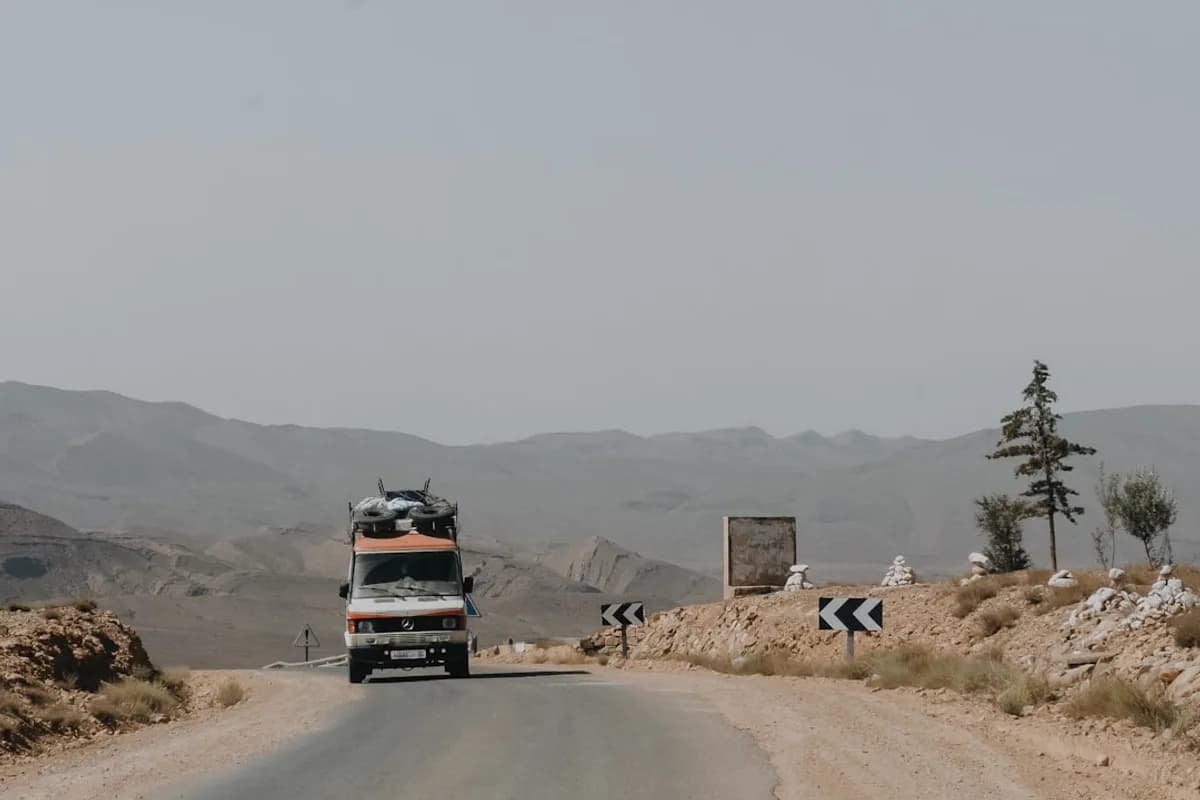
The Perfect 10-Day Morocco Itinerary: Imperial Cities, Mountains, and Sahara
How to see the best of Morocco in 10 days — a day-by-day itinerary covering Marrakech, the Atlas Mountains, Sahara Desert, Fes, Chefchaouen, and more, with transport details, costs, and practical tips.
Morocco on a Budget: How to Travel Morocco for Under $40/Day in 2026
Morocco is one of the most affordable travel destinations outside of Southeast Asia. This guide shows you exactly how to eat, sleep, travel, and explore Morocco on a budget without missing the essential experiences.
Plan Your Morocco Trip
Book hotels, transport, activities, and get connected with an eSIM
Some links are affiliate links. We may earn a commission at no extra cost to you.