Northern Morocco
Overview
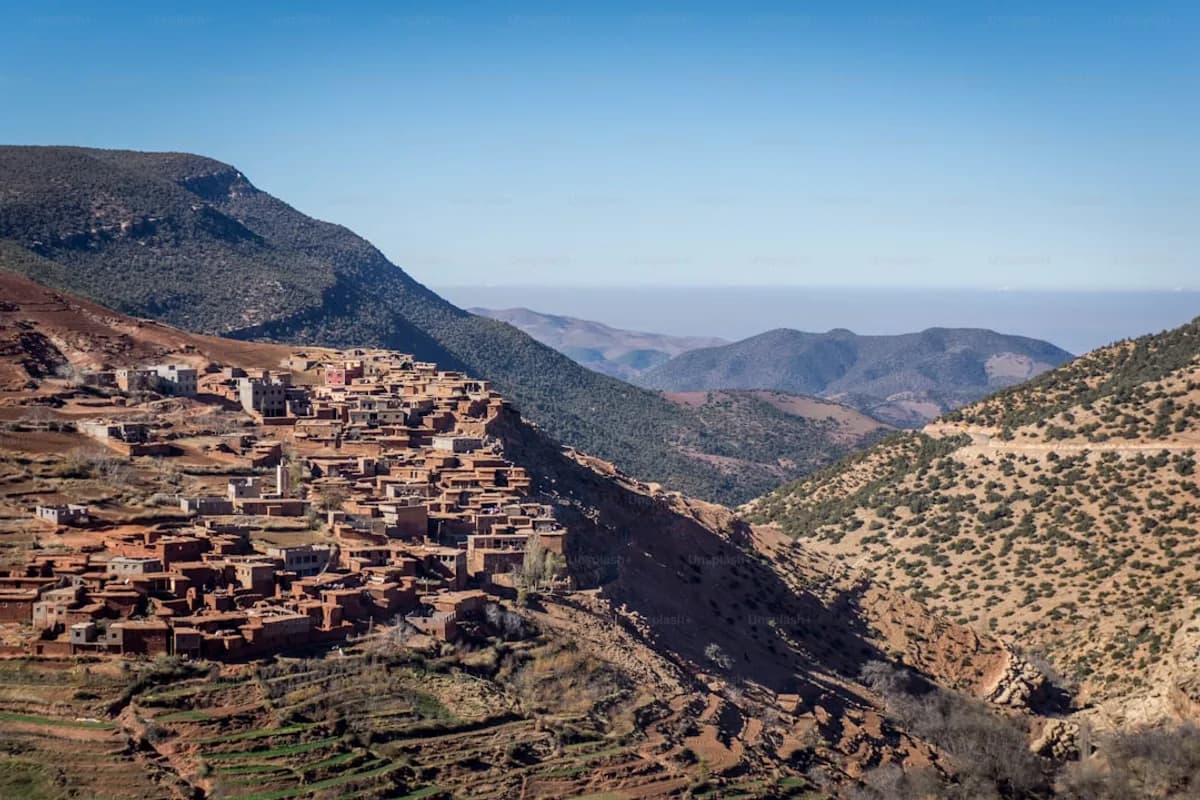
Northern Morocco is defined by its proximity to Europe — just 14 km across the Strait of Gibraltar from Spain — and by the rugged Rif Mountains that form a dramatic spine across the region. This geographical position has made the north a crossroads of civilizations for millennia, with Phoenician, Roman, Arab, Portuguese, Spanish, and French influences all leaving their mark. Tangier, at the northwestern tip, is experiencing a renaissance with its renovated waterfront, high-speed rail connection, and thriving cultural scene. Inland, the Rif Mountains shelter the famous blue-painted town of Chefchaouen, the Andalusian-influenced medina of Tetouan (a UNESCO World Heritage Site), and remote Berber villages accessible by hiking trails. The Mediterranean coast offers beaches, the Spanish enclave cities of Ceuta and Melilla, and the resort town of Al Hoceima. Northern Morocco has a distinct character from the south — the landscape is greener, the architecture shows stronger Spanish influence, and the culture reflects centuries of proximity to Iberia.
regionDetail.topExperiences
Best things to do in Northern Morocco
Wander the Blue Streets of Chefchaouen
Explore the famous blue-washed medina nestled in the Rif Mountains, where every alley and doorway is a photograph, then hike to the Spanish Mosque for panoramic views of the town and surrounding peaks.
Follow the Literary Trail in Tangier
Visit the haunts of Paul Bowles, William S. Burroughs, and the Beat Generation — from the Petit Socco to Cafe Hafa overlooking the Strait of Gibraltar, where mint tea comes with views of two continents.
Hike to Akchour Waterfalls
Trek through the Talassemtane National Park to God's Bridge natural rock arch and the Grand Cascade waterfall, following a beautiful river gorge through the Rif Mountains near Chefchaouen.
Ferry Across the Strait of Gibraltar
Cross between continents on the 35-minute ferry from Tarifa, Spain to Tangier, watching Europe recede and Africa approach across the narrow strait where the Mediterranean meets the Atlantic.
Cities in Northern Morocco
Explore destinations in this region
Tangier
Northern Morocco
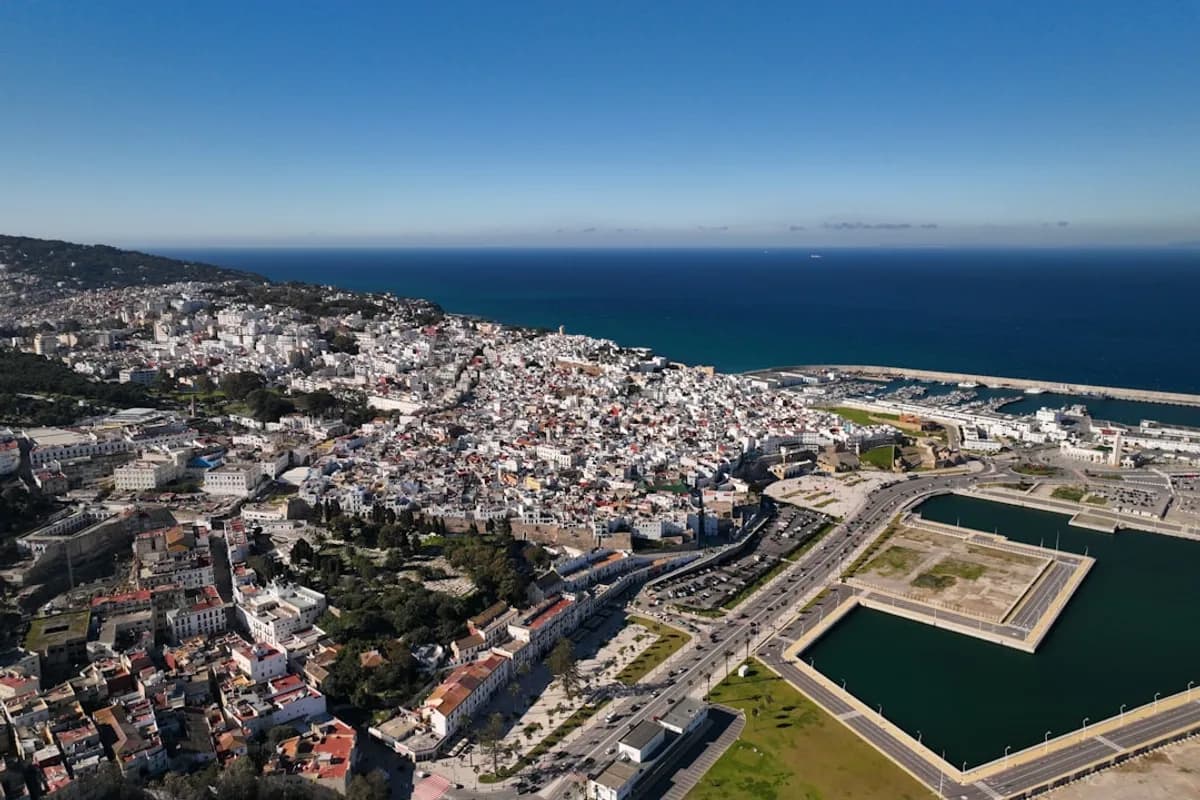
Perched at the northwestern tip of Africa where the Mediterranean meets the Atlantic, Tangier has been a crossroads of civilizations for millennia. Once an international zone that attracted writers like Paul Bowles and William S. Burroughs, this cosmopolitan port city has undergone a dramatic renaissance with a revitalized waterfront, world-class museums, and a buzzing contemporary culture scene.
Chefchaouen
Northern Morocco
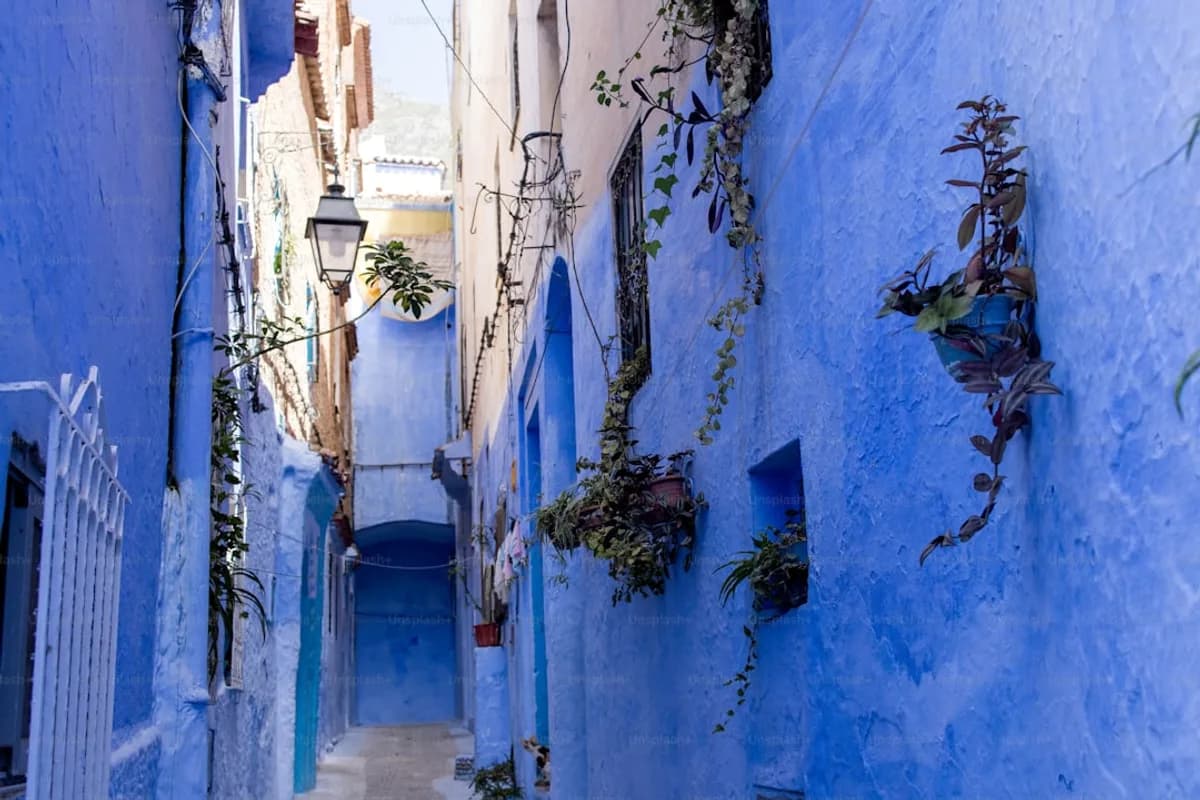
Nestled in the Rif Mountains, Chefchaouen's medina is famous worldwide for its striking blue-washed buildings cascading down the hillside. Known as the Blue Pearl of Morocco, this photogenic mountain town offers a relaxed atmosphere, excellent hiking, local goat cheese, and a laid-back alternative to the intensity of Morocco's larger cities.
Best Time to Visit
Recommended Period
April to June, September to October — Spring and early autumn offer warm, pleasant weather ideal for exploring cities and hiking the Rif Mountains. Summers are warm and busy with European visitors. Winters are mild along the coast but cold and wet in the mountains.
Food & Specialties
Northern Moroccan cuisine shows strong Rif Berber and Spanish influences, with hearty mountain dishes, excellent seafood along the coast, and fresh produce from the green Rif valleys.
Bessara — Thick fava bean soup with olive oil and cumin, a staple breakfast across the north
Chefchaouen goat cheese (jben) — Fresh local goat cheese from Rif Mountain herds
Tangier seafood — Fresh fish, fried calamari, and seafood pastilla reflecting the port city's maritime heritage
Rghaif — Flaky, layered flatbread from the Rif region, served sweet or savory
Spanish-influenced tapas — Small plates reflecting Tangier's Iberian connections
Getting There
How to reach Northern Morocco
By Air
Tangier Ibn Battouta Airport (TNG) has flights from European cities. Tetouan also has a small airport. Most visitors arrive from Europe via ferry (Tarifa or Algeciras to Tangier) or by train from Casablanca/Rabat.
By Train
The Al Boraq high-speed train connects Tangier to Casablanca in 2 hours 10 minutes via Kenitra and Rabat. This is the fastest and most comfortable way to reach northern Morocco from the south.
By Bus
CTM and Supratours buses connect Tangier and Chefchaouen to Fes, Casablanca, and other cities. The Tangier-Chefchaouen route takes approximately 3 hours.
Getting Around
Within cities, walking and petit taxis are the main options. Between cities, CTM buses and grand taxis connect the main towns. Renting a car provides the most flexibility for exploring the Rif Mountains and Mediterranean coast. The roads between Tangier and Chefchaouen are scenic but winding.
Accommodation
Where to stay in Northern Morocco
Budget
Hostels in Tangier and Chefchaouen from 60-120 MAD ($6-12) per dorm bed. Budget guesthouses from 150-300 MAD ($15-30).
Mid-Range
Boutique riads in Chefchaouen and Tangier from 400-1,000 MAD ($40-100). Hotels with views in both cities from 500-1,200 MAD.
Luxury
Luxury hotels in Tangier's Ville Nouvelle and renovated medina riads from 1,500-4,000 MAD ($150-400).
Safety
Northern Morocco is generally safe. Tangier has improved dramatically in terms of tourist safety since its urban renewal. Chefchaouen is one of the safest towns in Morocco. The main concern is persistent offers of hashish in the Rif region — politely decline and move on. Standard precautions for pickpockets apply in Tangier's crowded areas.
Travel Tips
Insider advice for Northern Morocco
- 1The Al Boraq high-speed train from Casablanca to Tangier is comfortable, affordable, and the best way to reach the north.
- 2Chefchaouen is best visited for at least one overnight stay — day trips from Fes or Tangier are possible but rushed.
- 3If arriving by ferry from Spain, book in advance during summer when Spanish and Moroccan diaspora travelers fill the boats.
- 4The Rif Mountains are cooler and wetter than the rest of Morocco — pack layers and rain gear, especially in spring and autumn.
- 5Cannabis (kif) is widely cultivated in the Rif — you will be offered hashish in Chefchaouen. Politely decline; it is illegal for tourists.
- 6Tetouan is an underrated day trip from either Tangier or Chefchaouen, with a UNESCO-listed medina and strong Andalusian character.